
The Rise of Smart Homes in Europe
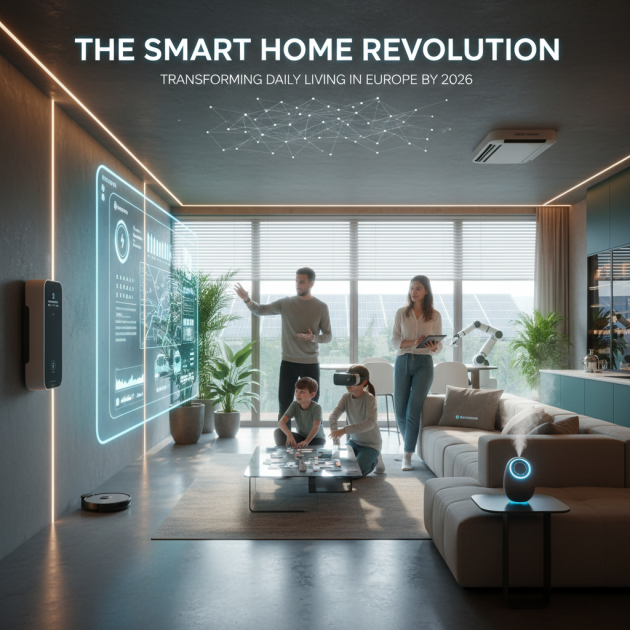
As we step into 2026, the landscape of home living in Europe is undergoing a remarkable transformation. The smart home trend is not just a passing phase; it is a revolution that enhances convenience, security, and energy efficiency. With the integration of connected devices, technology is reshaping our daily lives in unprecedented ways.
Connected Devices: The Heart of Smart Living
At the core of the smart home phenomenon are connected devices. From smart speakers and thermostats to security cameras and kitchen appliances, these gadgets communicate with each other, creating a seamless ecosystem that simplifies everyday tasks. For instance, homeowners can control their lighting, heating, and even coffee makers through a single app or voice command.
Popular Connected Devices in 2026
- Smart Thermostats: Devices like the Nest Learning Thermostat learn users' habits to optimize energy consumption, resulting in significant savings.
- Smart Security Systems: Advanced cameras and alarms provide real-time monitoring and alerts, offering peace of mind while reducing insurance costs.
- Voice Assistants: Systems like Amazon Alexa and Google Assistant allow users to interact with their homes hands-free, making multitasking easier than ever.
- Smart Appliances: Refrigerators that track expiry dates and ovens that can be preheated remotely add a new level of convenience to cooking and food management.
Energy Efficiency: A Greener Future
One of the most significant benefits of smart homes is their potential for energy efficiency. With the growing awareness of climate change, European homeowners are increasingly looking for ways to reduce their carbon footprint. Smart technology plays a crucial role in this endeavor.
How Smart Homes Save Energy
Smart devices contribute to energy savings in several ways:
- Automated Energy Management: Smart meters provide real-time data on energy usage, helping homeowners identify patterns and reduce waste.
- Adaptive Lighting: Smart lighting systems can adjust brightness based on natural light levels, ensuring that energy is not wasted when it is not needed.
- Efficient Heating and Cooling: Smart thermostats can learn when to lower or raise temperatures, ensuring optimal comfort without excessive energy use.
Transforming Daily Living
The integration of smart technology into homes is not just about efficiency; it also transforms the way we live. Daily routines are becoming more streamlined, allowing for a more relaxed lifestyle.
The Impact on Daily Routines
Consider the following scenarios:
- Mornings: Smart blinds can automatically open to let in natural light, while the coffee maker starts brewing as you wake up.
- While Away: Homeowners can monitor their property through security cameras and receive alerts if any unusual activity is detected.
- Evenings: Smart lighting can create the perfect ambiance for movie nights, adjusting according to your preferences with just a voice command.
Challenges and Considerations
Despite the many advantages, the shift towards smart homes does come with challenges. Concerns about privacy and data security are paramount, as connected devices gather and transmit personal information. Additionally, there is the issue of compatibility among different brands and devices, which can complicate the setup of a smart home ecosystem.
Future Outlook
As we look ahead, the smart home trend in Europe is expected to continue growing, driven by technological advancements and a heightened focus on sustainability. Companies are investing in new innovations that enhance connectivity and ease of use. By 2030, it is likely that smart homes will be the norm rather than the exception, offering solutions that make life more enjoyable and environmentally friendly.
Conclusion
The smart home revolution in Europe is transforming daily living in ways that were once the realm of science fiction. With connected devices leading the charge toward energy efficiency and streamlined routines, the future of home living is not just smart; it's also sustainable. Embracing these advancements today paves the way for a more connected and eco-friendly tomorrow.