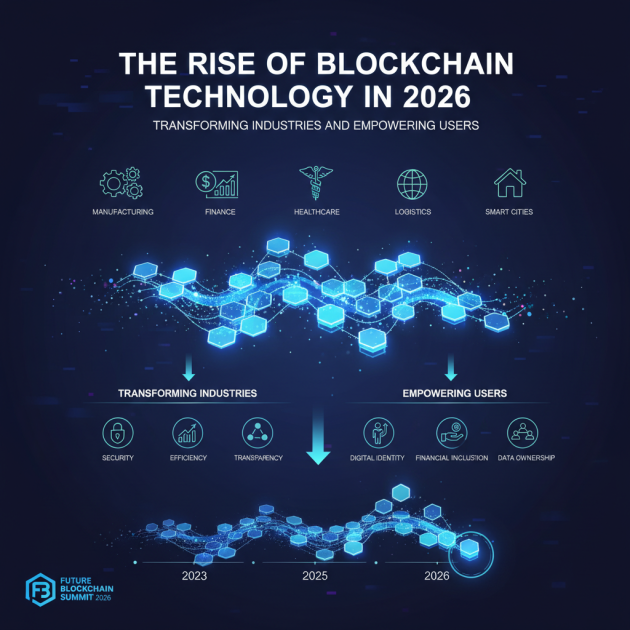

The Rise of Blockchain Technology in 2026
In recent years, blockchain technology has evolved from a niche concept to a foundational pillar for various sectors. As we delve into 2026, it is clear that this transformative technology is not only reshaping financial transactions but also redefining trust, security, and transparency across industries.
Understanding Blockchain Technology
At its core, blockchain is a decentralized ledger technology that records transactions across multiple computers. This ensures that records are secure, immutable, and transparent without the need for a central authority. The implications of this technology extend beyond cryptocurrencies, influencing fields such as supply chain management, healthcare, and even governance.
Financial Sector Transformation
One of the most significant impacts of blockchain has been in the financial sector. By 2026, we see traditional banks increasingly adopting blockchain solutions to streamline operations, reduce costs, and enhance security. Smart contracts—self-executing contracts with the terms directly written into code—are gaining traction, enabling faster and more reliable transactions.
- Decentralized Finance (DeFi): DeFi platforms have grown exponentially, allowing users to lend, borrow, and trade without intermediaries.
- Cross-Border Transactions: Blockchain facilitates swift and cost-effective international payments, breaking down barriers and reducing fees.
- Regulatory Compliance: Blockchain’s transparent nature aids in compliance with regulations, making it easier for institutions to adhere to legal requirements.
Healthcare Revolution
The healthcare sector is witnessing a blockchain renaissance in 2026. With the increasing need for secure patient data management, blockchain provides a solution that prioritizes privacy and accessibility. Hospitals and clinics are employing blockchain to:
- Secure Patient Records: Blockchain ensures that patient data is protected and only accessible to authorized personnel.
- Streamline Supply Chains: Verifying the authenticity of medications and medical supplies through blockchain reduces the risk of counterfeit products.
- Enhance Research Collaboration: Blockchain facilitates collaborative research by providing a secure platform for sharing data while maintaining confidentiality.
Supply Chain Management
As global supply chains become more complex, blockchain technology offers unparalleled transparency and efficiency. In 2026, companies are using blockchain to track the journey of products from origin to consumer. This ensures accountability and reduces fraud.
- Traceability: Consumers can verify the source of their products, leading to more informed purchasing decisions.
- Real-Time Tracking: Blockchain enables real-time visibility of goods in transit, allowing for better inventory management.
- Dispute Resolution: Smart contracts automate processes, reducing the likelihood of disputes and enhancing trust among partners.
Governance and Identity Verification
Blockchain is also making waves in governance and identity verification. By 2026, governments around the globe are exploring blockchain for secure voting systems, reducing election fraud and increasing voter participation. Additionally, blockchain-based identity solutions allow individuals to control their personal information, empowering them in an age of data privacy concerns.
- Digital Identities: Blockchain provides a secure way for individuals to verify their identities online.
- Voting Systems: Governments are piloting blockchain for transparent and tamper-proof voting processes.
The Future of Blockchain
As we look ahead, it’s evident that blockchain technology is poised to continue its upward trajectory in 2026 and beyond. Its potential to disrupt traditional systems and foster innovation is unparalleled. Organizations that embrace blockchain will find themselves at the forefront of their respective industries, paving the way for a decentralized, secure, and transparent future.
Conclusion
The rise of blockchain in 2026 marks a critical juncture for technology and society. By fostering trust and transparency, blockchain is not just a technological evolution; it is a societal revolution. As we embrace this change, the possibilities are limitless.