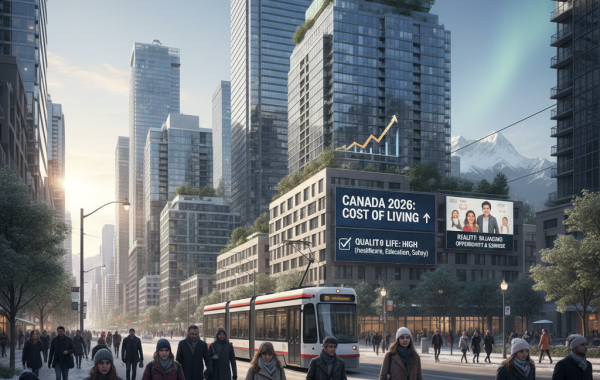
The Rise of Remote Work in Europe: A 2026 Perspective
As we step into 2026, the landscape of remote work in Europe has undergone a significant transformation. With advances in technology and a shift in workforce mindset, working from anywhere has become a reality for many. This article delves into how these trends are reshaping daily life, highlighting the surge of digital nomads, changes in urban living, and the evolving balance between productivity and well-being.
The Surge of Digital Nomads
One of the most notable trends in remote work is the rise of digital nomads—individuals who leverage technology to work while traveling. In 2026, Europe has become a hotspot for these modern wanderers, drawn by the continent's rich culture, diverse landscapes, and welcoming communities.
Why Europe?
- Cultural Diversity: Digital nomads are attracted to Europe’s array of cultures, languages, and experiences, making each work location an adventure.
- Connectivity: With improved internet access and co-working spaces, cities like Lisbon, Barcelona, and Berlin have become ideal hubs for remote workers.
- Community Support: Many cities have embraced the digital nomad lifestyle, offering visa programs and local meetups that foster community.
This influx of digital nomads is not just a trend; it’s a lifestyle shift that promotes flexibility and exploration. Many are choosing to live in a city for a few months, then move on, creating a dynamic work-life balance that prioritizes experiences over traditional stability.
Transformations in Urban Living
The rise of remote work has prompted significant changes in urban living across Europe. Cities are adapting to accommodate the needs of a more mobile workforce, leading to innovative urban designs and community initiatives.
Urban Redesign for Remote Workers
- Co-Working Spaces: The demand for co-working spaces has skyrocketed, leading to the conversion of underutilized buildings into vibrant workspaces.
- Public Amenities: Cities are investing in public amenities such as parks, libraries, and cafes that cater to remote workers, promoting productivity in pleasant environments.
- Smart City Initiatives: Technology-driven solutions are being implemented to improve infrastructure, transport, and connectivity, creating a more efficient urban experience.
These changes not only enhance the work environment for remote employees but also foster a sense of community and connection among residents. Urban areas are becoming more livable, reflecting the needs of a populace that values both work and leisure.
Balancing Productivity and Well-Being
As remote work becomes the norm, individuals are increasingly focused on achieving a balance between productivity and well-being. In 2026, many remote workers are prioritizing mental and physical health alongside their professional responsibilities.
Strategies for Balance
- Flexible Schedules: The traditional 9-to-5 workday is fading, allowing workers to create schedules that suit their personal productivity peaks.
- Mindfulness Practices: Incorporating mindfulness and wellness practices, such as yoga and meditation, into daily routines is becoming commonplace among remote workers.
- Social Connections: Many are seeking to maintain social connections through virtual meetups, coworking collaborations, and local community events.
This focus on well-being is leading to healthier lifestyles and improved job satisfaction. Workers are reporting higher levels of happiness, engagement, and productivity as they embrace a holistic approach to their daily lives.
Conclusion
The remote work trends in Europe in 2026 are reshaping not just how we work, but also how we live. As digital nomads continue to thrive, urban environments evolve, and individuals seek balance, we are witnessing a significant cultural shift. This new way of life is not just about working remotely; it’s about reimagining what it means to live and work in a connected, global society.