
Introduction
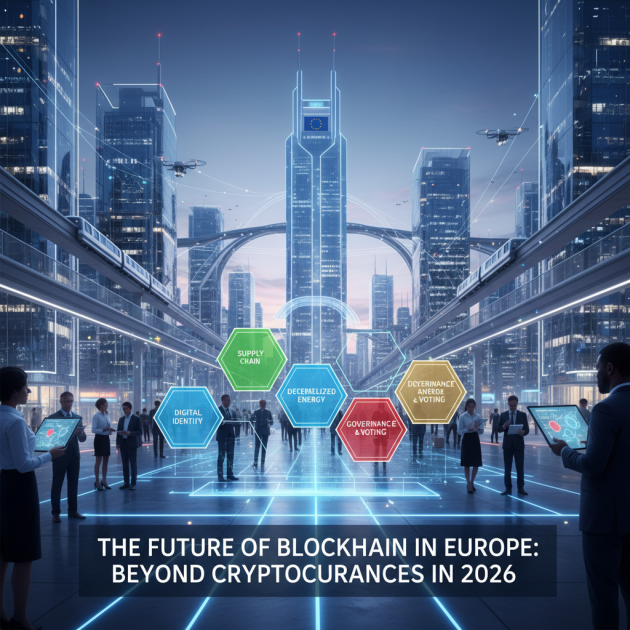
As we move further into the 2020s, blockchain technology is emerging as a transformative force in various sectors beyond just cryptocurrency. By 2026, Europe is on track to harness blockchain to enhance supply chain management, streamline identity verification, and improve public services. This article delves into these advancements and their implications for the future.
Blockchain in Supply Chain Management
One of the most promising applications of blockchain technology is in supply chain management. The European Union has been actively exploring the integration of blockchain to improve transparency and efficiency in supply chains. In 2026, we expect to see significant developments in this area.
Enhanced Transparency
Blockchain provides a decentralized ledger that records every transaction made throughout the supply chain. This transparency allows all parties involved—from manufacturers to consumers—to track the origin and journey of products. For example, in the food industry, blockchain can help trace the path of produce from farm to table, ensuring safety and quality.
Increased Efficiency
With smart contracts—self-executing contracts with the terms of the agreement directly written into code—businesses can automate various processes. This automation can reduce delays in shipping and payment processes, ultimately leading to cost savings. In 2026, European companies are likely to adopt these technologies widely, streamlining operations significantly.
Identity Verification Revolution
Identity verification is another critical area where blockchain is expected to play a pivotal role. The traditional methods of identity verification are often cumbersome and prone to fraud. Blockchain technology can offer a more secure and efficient solution.
Decentralized Identity Management
In 2026, decentralized identity systems powered by blockchain could provide individuals with greater control over their personal information. Users can store their identity credentials on a blockchain and share them selectively with service providers, reducing the risks associated with data breaches and identity theft.
Government Initiatives
European governments are also exploring blockchain for public services. For instance, Estonia has been a pioneer in implementing blockchain for digital identities. By 2026, similar initiatives are expected to be adopted across Europe, enabling citizens to access government services securely while maintaining their privacy.
Blockchain in Public Services
The potential for blockchain to improve public services is vast. Its ability to provide secure, tamper-proof records makes it an ideal candidate for various governmental applications.
Voting Systems
One of the most talked-about applications of blockchain in public services is in voting systems. By 2026, several European countries may implement blockchain-based voting to enhance transparency and security in elections. Voters could cast their votes online while ensuring their anonymity and the integrity of the voting process.
Healthcare Records
Blockchain can also revolutionize how healthcare records are managed. By creating a secure and accessible system for patient data, healthcare providers can ensure that patients receive the best possible care. In 2026, we can expect to see European countries adopting blockchain to facilitate the sharing of medical records while maintaining patient confidentiality.
Challenges and Considerations
Despite the promising future of blockchain in Europe, several challenges remain. Regulatory frameworks need to be established to ensure compliance and protect users. Moreover, the energy consumption of blockchain networks, particularly those using proof-of-work mechanisms, raises concerns about sustainability.
Conclusion
In conclusion, the role of blockchain in Europe by 2026 will extend far beyond cryptocurrencies. From enhancing supply chain transparency and efficiency to revolutionizing identity verification and public services, blockchain has the potential to transform various sectors. As Europe embraces these technologies, the region could become a leader in the global blockchain landscape.