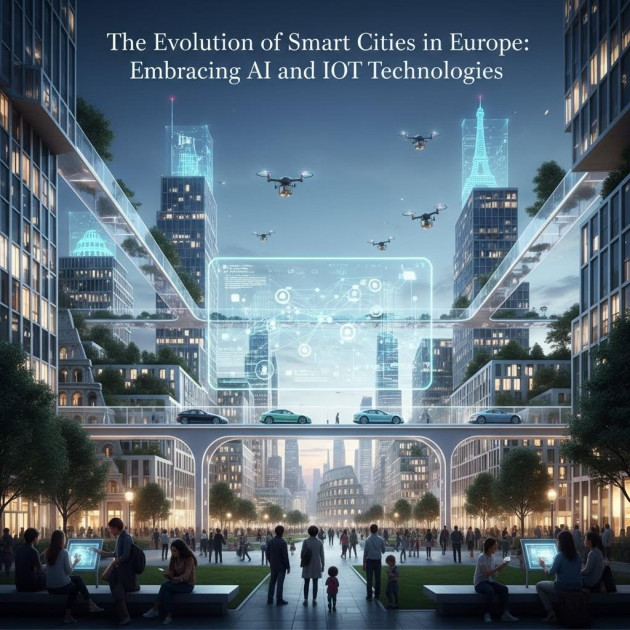

Introduction to Smart Cities
Smart cities represent the future of urban living, where technology enhances infrastructure, services, and the overall quality of life for residents. In Europe, cities are increasingly adopting Artificial Intelligence (AI) and the Internet of Things (IoT) to create efficient, sustainable, and responsive environments.
The Role of AI and IoT in Smart Cities
AI and IoT are pivotal in the development of smart cities. By connecting devices and analyzing vast amounts of data, these technologies enable cities to optimize resources, improve service delivery, and enhance citizen engagement.
What is IoT?
The Internet of Things refers to the network of physical objects embedded with sensors, software, and other technologies that connect and exchange data with other devices and systems over the internet. In smart cities, IoT devices collect real-time data that can lead to better decision-making.
Understanding AI
Artificial Intelligence encompasses machine learning, data analytics, and algorithms that can analyze data patterns, predict outcomes, and automate processes. In urban settings, AI can streamline operations and provide insights that improve city management.
Case Studies of Smart Cities in Europe
Europe is home to numerous examples of cities that are leveraging AI and IoT to evolve into smarter urban spaces. Here are a few notable case studies:
- Barcelona, Spain: Known for its innovative urban planning, Barcelona has implemented smart lighting and waste management systems. Sensors collect data on waste levels, which optimizes collection routes and reduces operational costs.
- Amsterdam, Netherlands: Amsterdam is a leader in smart mobility solutions, integrating IoT technologies to manage traffic flow, enhance public transport, and promote cycling. AI algorithms analyze traffic patterns to reduce congestion.
- Stockholm, Sweden: Stockholm's smart grid allows for efficient energy management. AI predicts energy consumption patterns, enabling better resource allocation and contributing to the city’s sustainability goals.
- Paris, France: Paris is focusing on smart public spaces. IoT devices monitor air quality and noise levels, providing data that helps improve urban health and design more livable environments.
The Benefits of Smart Cities
The integration of AI and IoT technologies in urban settings offers numerous benefits:
- Enhanced Efficiency: Automated systems and data-driven insights lead to improved efficiency in public services.
- Resource Management: Smart cities can optimize the use of resources like energy and water, contributing to sustainability.
- Improved Quality of Life: By addressing issues like traffic congestion and environmental pollution, smart cities enhance residents' overall well-being.
- Increased Citizen Engagement: Interactive platforms allow citizens to participate in decision-making processes, fostering a sense of community.
Challenges Facing Smart City Development
Despite the promise of smart cities, challenges remain. Data privacy concerns, the digital divide, and the high cost of implementing new technologies can hinder progress. Ensuring equitable access to smart city benefits for all residents is crucial.
The Future of Smart Cities in Europe
As European cities continue to embrace AI and IoT, the future looks promising. With advancements in technology and increasing collaboration between governments, private sectors, and citizens, smart cities can evolve into models of sustainability and innovation. The integration of these technologies not only enhances urban living but also sets a precedent for cities worldwide.
Conclusion
The evolution of smart cities in Europe is a testament to the potential of AI and IoT technologies. By leveraging these innovations, cities can address critical challenges, improve quality of life, and pave the way for a sustainable urban future. As we move forward, the focus must remain on inclusivity and responsible technology use to ensure that all citizens benefit from this urban transformation.