
The Economic Impact of Major Sporting Events in Europe
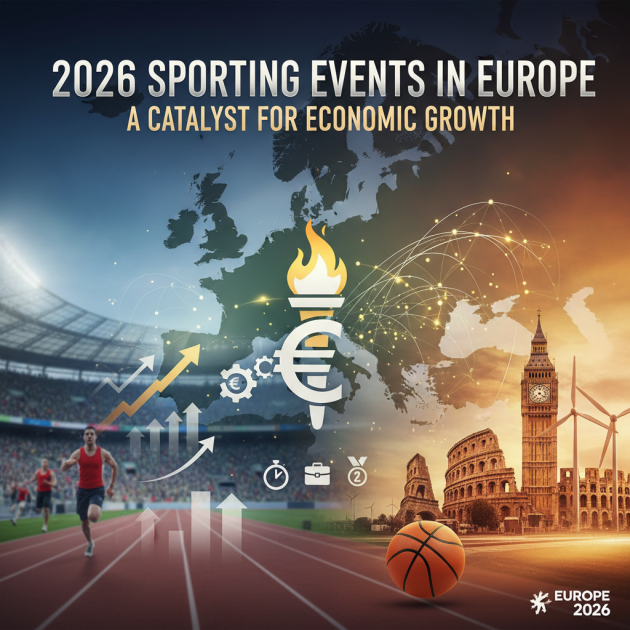
In 2026, Europe is set to host a series of major sporting events that promise to generate significant economic benefits across the continent. From the UEFA European Championship to the Rugby World Cup, these events are not just about sports; they are pivotal opportunities for boosting tourism, enhancing infrastructure, and invigorating local economies.
Boosting Tourism
One of the most immediate impacts of hosting major sporting events is the influx of tourists. Sporting events attract fans from around the world, contributing to an increase in hotel bookings, restaurant patronage, and local attractions. For instance, during the UEFA Euro 2020, which was postponed to 2021 due to the pandemic but still served as a model, host cities reported a surge in visitors that significantly boosted their local economies.
Tourism boards are already gearing up to market their cities as prime destinations for these upcoming events. Cities like London, Paris, and Rome can expect millions of visitors, each contributing an average of €1,000 during their stay, including accommodation, dining, and entertainment expenses.
Enhancing Infrastructure
Hosting major sporting events necessitates improvements in infrastructure, which can have long-lasting benefits for local communities. European cities are likely to invest heavily in transportation systems, stadium upgrades, and public facilities in preparation for the influx of visitors.
- Transportation: Upgrades to public transport networks can enhance connectivity, making it easier for locals and tourists alike to navigate cities.
- Stadiums: Renovating or building new stadiums not only meets the needs of the events but also provides venues for future cultural, sports, and entertainment activities.
- Public Spaces: Improvements in parks and public areas can enhance the overall aesthetic and functionality of cities, benefiting residents long after the events conclude.
These infrastructure projects not only create jobs during construction but also ensure that cities are well-equipped to handle increased tourism in the future.
Invigorating Local Economies
Local businesses typically see a significant economic boost during major sporting events. Restaurants, shops, and service providers benefit from the increased foot traffic brought by tourists and sports fans. This spike in demand can lead to job creation and economic revitalization in areas that may have been struggling.
Moreover, local businesses often engage in promotional activities and collaborations with events to attract more customers. For instance, local restaurants might offer themed menus or special discounts to entice fans, while shops may sell memorabilia tied to the events. This creates a symbiotic relationship between the events and local businesses, fostering a sense of community pride and engagement.
Long-Term Economic Benefits
While the immediate economic effects of these sporting events are significant, the long-term benefits should not be overlooked. Cities that successfully host major events often see lasting impacts such as:
- Increased Global Visibility: Hosting a major event puts cities on the global map, attracting future tourism and business investments.
- Legacy Projects: Infrastructure improvements can become legacy projects that continue to benefit the community long after the events have ended.
- Enhanced Quality of Life: Improved public spaces and amenities contribute to a higher quality of life for residents, making cities more attractive places to live and work.
Conclusion
The economic impact of the major sporting events hosted in Europe in 2026 is poised to be profound. By boosting tourism, enhancing infrastructure, and invigorating local economies, these events will leave a lasting legacy, transforming cities not just for the duration of the events but for generations to come. As preparations ramp up, stakeholders across Europe are optimistic about the bright economic future these events can bring.