
Introduction
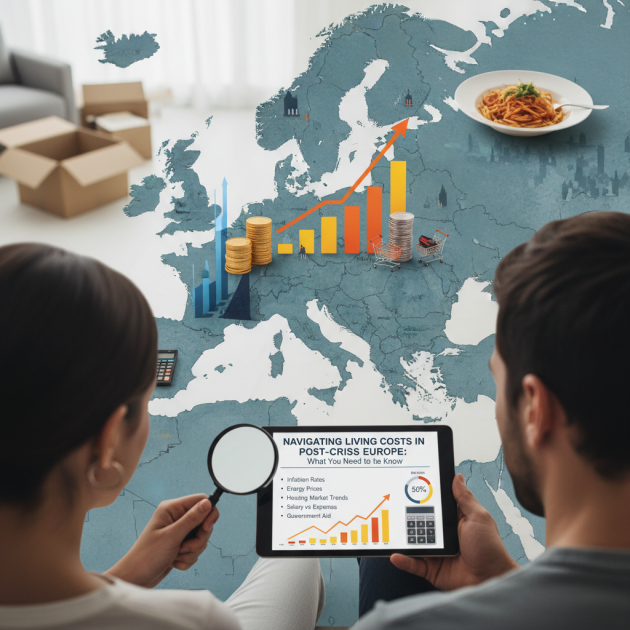
The economic landscape of Europe has undergone significant changes following the 2026 crisis. As nations work to rebuild and stabilize, understanding the new living costs has become crucial for residents and newcomers alike. In this article, we’ll explore how inflation, housing, essentials, and lifestyle choices have been affected since the crisis, providing you with valuable insights to navigate this evolving environment.
Understanding the Economic Impact
Post-crisis, Europe has seen a variety of economic shifts. Inflation rates have soared in several countries, leading to increased prices across numerous sectors. The crisis has also affected employment rates, purchasing power, and the overall economic stability of the region.
Inflation and Its Effects
Inflation has significantly altered the cost of living in many European cities. As supply chains struggled to recover, prices for essential goods and services have risen. For instance:
- Food costs: Grocery prices have increased by an average of 15-25%, depending on the country.
- Utilities: Energy costs have surged, with many households facing higher bills as governments transition to renewable energy sources.
- Transportation: Public transport fares have also risen, particularly in major cities, complicating daily commutes.
Housing Market Changes
Housing costs have been one of the most visible effects of the post-crisis economy. With demand rising in certain areas, the rental and housing markets have become competitive.
Rental Prices
In cities like Berlin, Paris, and Amsterdam, rental prices have increased significantly. Many residents are now paying upwards of 30% more than pre-crisis rates. However, this varies by region:
- Western Europe: Major cities have seen the steepest increases.
- Eastern Europe: Some cities have stabilized or even seen slight decreases in rents, attracting new residents.
Buying a Home
For those looking to purchase property, the market is equally challenging. Mortgage rates have also climbed, making homeownership less accessible for many. However, government initiatives aimed at stabilizing the market may provide some relief for first-time buyers.
Adjusting to New Costs of Essentials
As living costs rise, it’s important to adapt your budget accordingly. Here are some tips to manage your expenses effectively:
Smart Shopping
Grocery shopping has become a strategic endeavor. Consider these approaches:
- Buy local: Supporting local farmers and markets can often yield fresher produce at lower prices.
- Plan meals: Planning your meals can reduce impulse buying and food waste.
- Look for discounts: Use apps and loyalty programs to find deals and discounts.
Transportation Alternatives
As public transport becomes more expensive, exploring alternatives can save money:
- Cycling: Many cities are expanding bike lanes, making cycling a viable and cost-effective option.
- Carpooling: Sharing rides can significantly cut transportation costs.
- Remote work: If possible, working from home can reduce commuting expenses altogether.
Embracing a New Lifestyle
Finally, adapting to life in post-crisis Europe may require a shift in mindset. Embracing a more minimalist lifestyle can help you navigate the new economic reality:
- Prioritize experiences over possessions: Focus on creating memories rather than accumulating goods.
- Explore free activities: Many cities offer free cultural events, parks, and community activities.
- Build community: Connecting with neighbors can lead to shared resources and support networks.
Conclusion
Living costs in post-crisis Europe present challenges, but with careful planning and adaptability, residents can thrive in this new environment. By being informed and proactive, you can navigate these changes and continue to enjoy the rich experiences Europe has to offer.