
Introduction
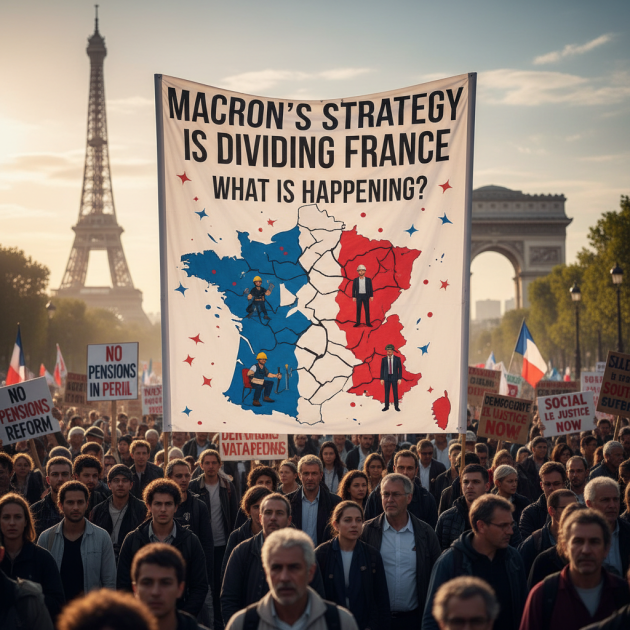
In recent years, France has witnessed a surge of discontent among its citizens, largely fueled by President Emmanuel Macron’s policies and political strategies. As Macron navigates through a challenging political landscape, his approach has inadvertently deepened divisions within French society. This article analyzes the factors contributing to this division and explores the implications for the future of France.
Understanding Macron's Political Strategy
Emmanuel Macron, who came to power in 2017, positioned himself as a centrist leader aiming to unite the country. However, his policies, often characterized as pro-business and reformist, have sparked backlash among various segments of the population. Key elements of his strategy include:
- Economic Reforms: Macron's government has implemented a series of economic reforms aimed at boosting competitiveness, including labor market liberalization and tax cuts for businesses.
- Social Policies: The introduction of controversial policies such as pension reforms and the increase in fuel taxes has led to widespread protests, notably the yellow vest movement.
- European Integration: Macron's strong advocacy for European Union integration has alienated nationalist and populist factions within France.
The Roots of Division
The divide in France can be traced to several interrelated factors:
Economic Inequality
Despite Macron's efforts to modernize the economy, many citizens feel left behind. The gap between urban and rural areas has widened, with urban centers benefiting from reforms while rural communities struggle with declining services and job opportunities.
Social Unrest
The yellow vest protests, which erupted in late 2018, epitomize the growing discontent among the working and middle classes. Protesters argued that Macron's policies favored the wealthy, exacerbating their struggles. The government’s response to these protests was often seen as heavy-handed, further inflaming tensions.
National Identity and Immigration
Macron’s approach to immigration and multiculturalism has also fueled division. While he champions an inclusive vision for France, many citizens feel that rising immigration threatens their national identity. This has strengthened the far-right factions, which exploit these sentiments for political gain.
The Political Fallout
As a result of these divisions, the political landscape in France is becoming increasingly polarized. Established parties are losing ground to extreme political movements on both the left and the right. Key developments include:
- Rise of Populism: The National Rally, led by Marine Le Pen, has gained significant traction, capitalizing on anti-establishment sentiment.
- Fragmentation of Traditional Parties: The traditional left and right parties are struggling to maintain their relevance as voters shift towards more radical alternatives.
- Increased Protest Movements: Beyond the yellow vests, various social movements continue to emerge, reflecting the diverse grievances of the populace.
Conclusion
Macron's strategy, while aimed at reforming and modernizing France, has inadvertently led to a deepening divide within the nation. As economic inequality, social unrest, and identity politics shape the political discourse, the future of France hangs in the balance. Navigating these challenges will require a reevaluation of policies and a concerted effort to bridge the divides that currently plague the country. Only time will tell whether Macron's vision can reconcile the fractured landscape or if it will pave the way for further polarization.