
Introduction
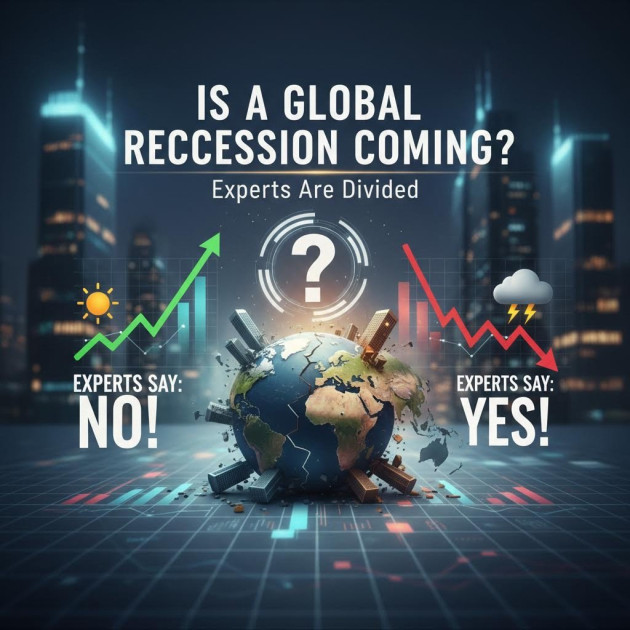
The global economy is a complex web of interdependent markets, and as we move through 2023, many are asking: is a global recession on the horizon? With inflation rates climbing, interest rates adjusting, and geopolitical tensions rising, the opinions of economists and financial experts are starkly divided.
Current Economic Landscape
To understand the possibility of a global recession, we need to evaluate the current economic landscape. Key indicators such as GDP growth, employment rates, and inflation play significant roles in predicting economic health. As of late 2023, here are some of the concerning trends:
- Inflation Rates: Many countries are experiencing heightened inflation, which can erode purchasing power and consumer confidence.
- Interest Rates: In response to inflation, central banks have increased interest rates, which could dampen economic growth.
- Supply Chain Disruptions: Ongoing supply chain issues, exacerbated by geopolitical tensions and the lingering effects of the pandemic, have led to shortages and increased costs.
- Consumer Confidence: Surveys indicate that consumer sentiment is waning, which could lead to decreased spending and investment.
Expert Opinions
With these indicators in mind, experts are weighing in on the potential for a recession. Their opinions range from cautious optimism to dire warnings.
Optimistic Outlook
Some economists remain hopeful, arguing that while inflation is a concern, the underlying fundamentals of the economy are strong. They suggest that:
- Job Growth: Unemployment rates are at historic lows, which can support consumer spending.
- Technological Advancements: Innovations in technology may drive productivity and economic growth.
- Global Resilience: Many economies are more resilient than they were during previous recessions, indicating potential for recovery.
Pessimistic Predictions
On the other hand, several experts are sounding the alarm. They highlight several factors that could lead to a global downturn:
- Debt Levels: High levels of debt among consumers and governments could lead to defaults, impacting financial markets.
- Geopolitical Risks: Ongoing conflicts and tensions could disrupt trade and economic cooperation.
- Market Volatility: Increased volatility in stock markets could undermine investor confidence and lead to a pullback in spending.
The Role of Government Policies
Government policies will play a crucial role in shaping the economic outlook. Central banks are faced with the challenge of managing inflation without stifling growth. Fiscal policies, including spending on infrastructure and social programs, could bolster economic resilience.
What Should Consumers Do?
In the face of uncertainty, consumers can take proactive steps to safeguard their finances:
- Create a Budget: Keep track of income and expenses to manage cash flow effectively.
- Build an Emergency Fund: Having savings set aside can provide a financial cushion during tough times.
- Invest Wisely: Diversifying investments can help mitigate risks associated with market volatility.
Conclusion
As the debate continues on whether a global recession is imminent, staying informed and prepared is essential. By understanding the economic landscape and expert opinions, consumers can better navigate these uncertain times. Whether the glass is half full or half empty, the future remains to be seen, and vigilance will be key.