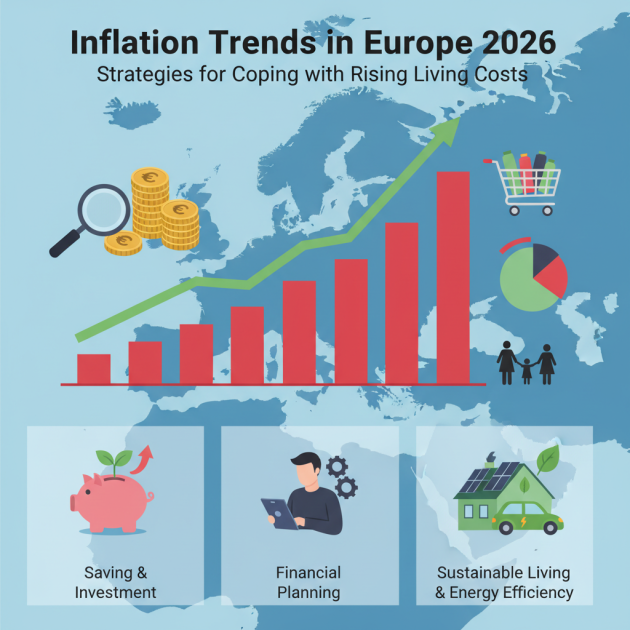

Understanding Inflation Trends in Europe 2026
Inflation has remained a pressing issue for European economies in 2026. Following a series of economic shocks, including the lingering effects of the pandemic, energy crises, and geopolitical tensions, many countries across the continent are grappling with rising living costs. This article examines the trends in inflation throughout Europe, highlighting the coping mechanisms employed by different nations.
Current Inflation Rates Across Europe
As of 2026, inflation rates have varied significantly among European countries. According to the latest reports, the Eurozone inflation rate averages around 5.5%, with some countries experiencing higher rates:
- Germany: 6.2%
- France: 5.8%
- Italy: 6.5%
- Spain: 4.9%
- Eastern Europe: Many countries like Hungary and Poland have seen inflation rates exceed 8%.
This variance reflects differing economic conditions, government policies, and external pressures affecting each country.
Factors Contributing to Rising Inflation
Several factors have contributed to the current inflation trends across Europe:
- Energy Prices: The volatility of energy prices, exacerbated by geopolitical conflicts and supply chain disruptions, has driven up costs for consumers and businesses alike.
- Supply Chain Issues: Ongoing supply chain disruptions continue to impact the availability of goods, resulting in higher prices.
- Labor Shortages: Many sectors are experiencing labor shortages, leading to increased wages that, while beneficial for workers, have led to higher operational costs for companies.
- Monetary Policy: Central banks have implemented various strategies, including interest rate hikes, to combat inflation, which can have mixed effects on economic growth.
Country-Specific Approaches to Mitigation
Countries across Europe have adopted various strategies to cope with rising living costs:
Germany
Germany has implemented a comprehensive energy transition program aimed at reducing dependency on fossil fuels. The government has also introduced financial support for low-income households to help offset rising energy costs.
France
In France, the government has rolled out initiatives to cap energy prices, alongside subsidies for essential goods. These measures aim to protect consumers from surging costs while promoting economic stability.
Italy
Italy has focused on enhancing productivity through investments in technology and infrastructure. The government is also working on social programs aimed at supporting vulnerable populations affected by inflation.
Spain
Spain has adopted a temporary tax reduction on basic food items and energy to alleviate the burden on consumers. The government continues to monitor inflation and is prepared to make adjustments as necessary.
Eastern Europe
Countries like Hungary and Poland have implemented strict monetary policies to curb inflation. However, these measures have drawn criticism for potentially stifling economic growth.
Looking Ahead: The Future of Inflation in Europe
As 2026 progresses, the outlook for inflation in Europe remains uncertain. Economic forecasts suggest that while inflation may begin to stabilize, it will likely remain above pre-pandemic levels for some time. Policymakers must balance the need to control inflation with the ongoing recovery efforts post-pandemic.
Ultimately, the effectiveness of each country’s strategies will be critical in determining how well they can navigate the challenges posed by rising living costs. Continued collaboration at both national and EU levels will be essential in addressing the broader economic implications of inflation.
Conclusion
In conclusion, inflation trends across Europe in 2026 reveal a complex landscape, with each country facing unique challenges and adopting tailored responses. The ongoing adaptations will play a crucial role in shaping the economic future of the continent.