
Understanding Inflation: A Quick Overview
Inflation refers to the rate at which the general level of prices for goods and services is rising, and subsequently, purchasing power is falling. It’s a critical economic indicator that influences decisions made by consumers, businesses, and policymakers alike.
Current Trends in Inflation
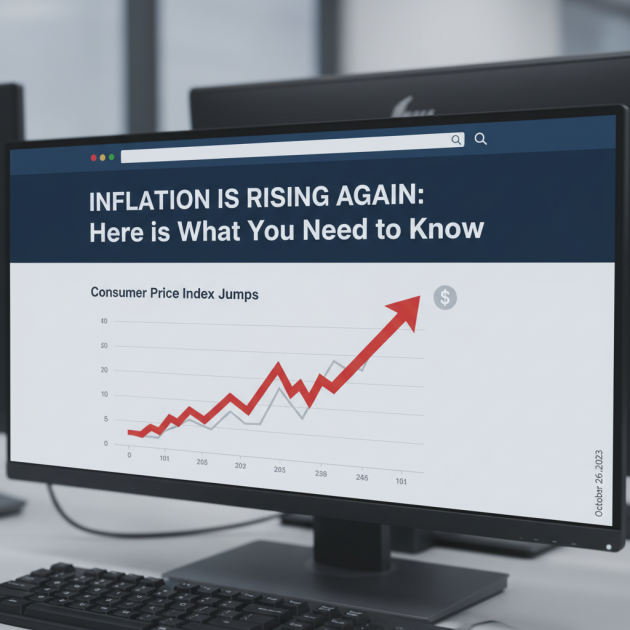
As of late 2023, inflation rates are climbing once more, a trend that has significant implications for both the economy and individual households. Various factors contribute to this resurgence, including supply chain disruptions, rising energy prices, and increased consumer demand as economies recover from the pandemic.
Key Drivers of Rising Inflation
- Supply Chain Issues: Ongoing disruptions in supply chains have led to shortages in various sectors, causing prices to soar.
- Labor Costs: With companies struggling to fill positions, wages are increasing, which can lead to higher prices for goods and services.
- Energy Prices: Fluctuations in oil and gas prices directly impact transportation and production costs, contributing to overall inflation.
- Government Stimulus: Increased government spending and stimulus measures can boost demand, further driving up prices.
Impact of Rising Inflation on Consumers
For consumers, rising inflation can mean higher costs for everyday essentials. Here are some areas where you might feel the pinch:
1. Grocery Bills
Food prices have seen significant increases, driven by supply chain challenges and higher transportation costs. Families may need to adjust their budgets to accommodate these changes.
2. Housing Costs
Rent and home prices are also on the rise, fueled by increased demand and limited housing supply. This can make it challenging for first-time homebuyers and renters.
3. Transportation Expenses
With fuel prices rising, consumers may find themselves spending more on gas and public transportation, affecting their overall budget.
How to Protect Yourself from Inflation
While inflation can be daunting, there are strategies you can employ to mitigate its effects on your finances:
- Budget Wisely: Review your monthly expenses and identify areas where you can cut back or find more cost-effective alternatives.
- Invest in Assets: Consider investing in assets that typically outpace inflation, such as stocks or real estate.
- Consider Inflation-Linked Investments: Look into Treasury Inflation-Protected Securities (TIPS) or other investments that adjust with inflation.
- Build an Emergency Fund: Having a financial cushion can help you manage unexpected expenses that arise from inflationary pressures.
Conclusion: Staying Informed and Prepared
As inflation continues to rise, staying informed about economic trends is crucial. By understanding the factors driving inflation and adopting proactive financial strategies, you can better navigate these challenging times.
Keep an eye on economic news, adjust your financial plans accordingly, and consult with financial advisors if necessary. Being prepared can help you withstand the impacts of rising inflation and maintain financial stability.