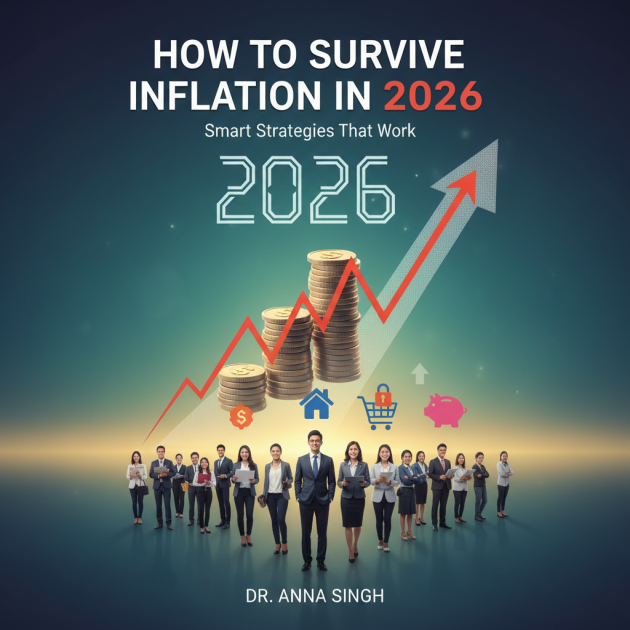

Understanding Inflation and Its Impact
Inflation is an economic phenomenon that affects everyone, from individuals to businesses. By 2026, many experts predict continued inflationary pressures due to various factors such as supply chain disruptions, increased demand, and changes in monetary policy. Understanding these factors can help you prepare and implement strategies to safeguard your financial health.
1. Create a Budget with Inflation in Mind
One of the most effective ways to combat inflation is by creating a detailed budget. This budget should account for rising costs in essential areas like groceries, housing, and utilities. By tracking your spending, you can identify areas where you can cut back and allocate more funds to necessities.
- Review Your Expenses: Regularly analyze your spending habits to eliminate unnecessary expenses.
- Prioritize Needs Over Wants: Focus on essential services and products.
- Adjust for Inflation: Increase your budget categories in line with expected inflation rates.
2. Invest Wisely
Investing is key to growing your wealth and outpacing inflation. In 2026, consider the following investment strategies:
- Real Estate: Property often appreciates over time, making it a solid hedge against inflation.
- Stocks: Invest in companies with strong pricing power that can pass costs onto consumers.
- Commodities: Gold, silver, and other commodities typically perform well during inflationary periods.
3. Build an Emergency Fund
Having an emergency fund is crucial, especially during times of inflation. Aim to save three to six months' worth of expenses in a high-yield savings account. This fund will provide a financial cushion if unexpected costs arise or you face a job loss.
4. Increase Your Income
Inflation can erode your purchasing power, making it vital to find ways to boost your income. Here are some practical approaches:
- Ask for a Raise: If you believe your contributions warrant it, don’t hesitate to negotiate your salary.
- Side Gigs: Explore freelance work, consulting, or part-time jobs to supplement your income.
- Invest in Yourself: Consider further education or training to enhance your skills and marketability.
5. Stay Informed About Economic Trends
Keeping an eye on economic indicators can help you anticipate changes in inflation and adjust your financial strategies accordingly. Follow reliable financial news sources and consider subscribing to economic analysis newsletters.
6. Consider Fixed-Rate Debt
If you’re planning to take on debt, consider opting for fixed-rate loans. With inflation, interest rates may rise, making variable-rate loans more expensive over time. Fixed-rate loans allow you to lock in lower payments, protecting you from future increases in interest rates.
7. Reassess Your Financial Goals
Finally, regularly reassess your financial goals and adjust them to reflect the changing economic landscape. Whether it’s saving for retirement, buying a home, or funding your children’s education, ensure your goals are realistic given inflationary pressures.
Conclusion
Surviving inflation in 2026 requires proactive planning and smart financial strategies. By budgeting effectively, investing wisely, increasing your income, and staying informed, you can not only survive but thrive despite rising costs. Start implementing these strategies today to secure your financial future against inflation.