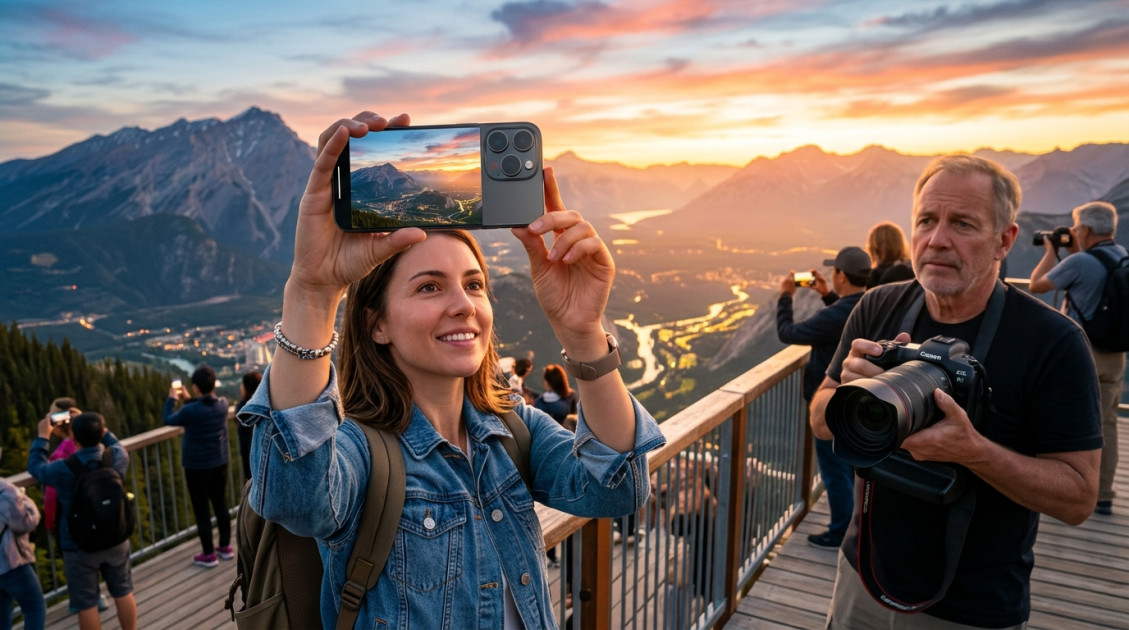

The Evolution of Smartphone Cameras
In the past decade, smartphones have undergone an incredible transformation, emerging as powerful photography tools that rival traditional cameras. With advancements in camera technology, software, and user accessibility, smartphones have not only replaced point-and-shoot cameras but are increasingly challenging professional DSLRs and mirrorless systems.
Technological Advancements
Modern smartphones come equipped with high-resolution sensors, advanced optics, and sophisticated software algorithms that enhance image quality significantly. Features such as:
- Multiple Lenses: Many smartphones now have multiple camera lenses (wide, ultra-wide, telephoto) that allow for versatile shooting options.
- Image Stabilization: Optical and electronic stabilization reduces blurriness from shaky hands, a feature that helps in capturing sharp images.
- Night Mode: Improved low-light performance enables users to take stunning photos even in dim lighting conditions.
- AI Enhancements: Artificial intelligence assists in scene recognition, optimizing settings for the best results without the user needing to be a photography expert.
Portability and Convenience
One of the most significant advantages smartphones hold over traditional cameras is their portability. A smartphone fits easily in your pocket, making it convenient for everyday photography. You can capture spontaneous moments without the bulk of a camera bag. Additionally, smartphones combine the functionality of a camera with connectivity features, allowing users to instantly share photos on social media or cloud storage.
Affordability and Accessibility
While professional cameras can be quite expensive, smartphones offer a cost-effective alternative without compromising on quality. High-end smartphones can be purchased at various price points, making photography more accessible to a broader audience. This democratization of photography empowers everyone to explore their creativity without the barrier of high costs associated with professional gear.
When Are Smartphones Enough?
Smartphones have become the go-to choice for casual photographers and even some professionals, particularly in situations where speed, convenience, and ease of use are paramount. Here are a few scenarios where smartphones excel:
- Travel Photography: When traveling, carrying a smartphone is often more practical than lugging around heavy camera equipment.
- Social Media Content Creation: The quick sharing capabilities of smartphones make them ideal for social media influencers and content creators.
- Documenting Everyday Life: For capturing everyday moments, smartphones are more than sufficient, providing high-quality images without any fuss.
Limitations of Smartphone Cameras
Despite their impressive capabilities, smartphones do have limitations compared to professional cameras:
- Sensor Size: Professional cameras typically have larger sensors, which capture more light and detail, especially in challenging lighting conditions.
- Lens Versatility: Professional cameras allow for interchangeable lenses, providing more creative control over focal lengths and depth of field.
- Manual Controls: While many smartphones offer some manual settings, they often lack the full range of controls available on professional gear.
Conclusion
Smartphones have undeniably changed the landscape of photography. As technology continues to evolve, they are becoming more capable of replacing traditional cameras for a wide range of users. While professional photographers may still prefer dedicated gear for specialized work, the everyday user can achieve impressive results with a smartphone. In a world where capturing moments is increasingly important, smartphones have made photography accessible, enjoyable, and immediate.