
Introduction
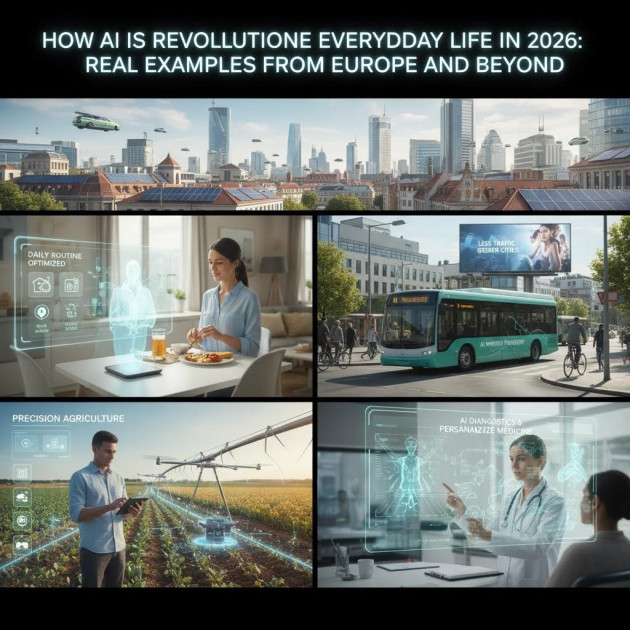
By 2026, artificial intelligence (AI) has made significant strides, embedding itself into the fabric of everyday life. From smart homes to advanced healthcare, AI is not just a buzzword but a reality that enhances convenience, efficiency, and quality of life. This article explores how AI is transforming everyday experiences across Europe and beyond, with real-world examples illustrating its impact.
AI in Healthcare
One of the most profound changes AI has brought about is in the healthcare sector. In countries like Germany and Sweden, AI algorithms are employed to analyze medical data, leading to early diagnosis and personalized treatment plans.
- Predictive Analytics: Hospitals are using AI to predict patient admissions based on historical data, allowing for better resource allocation.
- Telemedicine: AI-driven platforms facilitate virtual consultations, making healthcare accessible to remote populations.
For instance, a Swedish startup has developed an AI system that monitors patients with chronic illnesses in real time, alerting healthcare providers when intervention is necessary. This proactive approach not only enhances patient outcomes but also reduces hospital readmissions.
Transportation and Smart Cities
Transportation has also been significantly transformed by AI. In cities like Amsterdam, AI-powered traffic management systems analyze real-time data to optimize traffic flow and reduce congestion.
- Autonomous Vehicles: Self-driving cars are not just a concept but a reality in places like London, where pilot programs are testing their integration into public transport systems.
- Smart Public Transport: AI applications predict bus and train schedules, providing commuters with real-time updates and reducing wait times.
These advancements have led to a decrease in traffic accidents and a more efficient public transport system, making cities cleaner and more navigable.
AI in Education
Education is another field experiencing a significant AI transformation. In countries like Finland, AI is utilized to create personalized learning experiences for students. AI systems analyze student performance and adapt curricula to meet individual needs.
- Intelligent Tutoring Systems: These AI tools offer tailored assistance to students, helping them grasp difficult concepts at their own pace.
- Administrative Efficiency: AI streamlines administrative tasks, allowing educators to focus more on teaching than paperwork.
Schools in various European nations are adopting AI technologies to enhance learning outcomes, ensuring that every student has access to the support they need.
AI in Daily Life
Beyond these sectors, AI has woven itself into the fabric of daily living. Smart home devices powered by AI help individuals manage their households efficiently.
- Voice Assistants: Devices like Amazon Echo and Google Home are common in homes, allowing users to control appliances, set reminders, and even manage their calendars through voice commands.
- Health Monitoring: Wearable technologies equipped with AI track health metrics, providing insights that encourage healthier lifestyles.
In places like Barcelona, community AI initiatives are being launched to engage citizens in local governance, allowing for a more participatory approach to urban planning.
Challenges and Ethical Considerations
While the benefits of AI are undeniable, challenges remain. Issues such as data privacy, algorithmic bias, and job displacement must be addressed. European countries are leading the charge in implementing ethical AI guidelines, ensuring that technology serves society responsibly.
For instance, the EU's AI Act aims to regulate AI applications while fostering innovation, striking a balance between advancement and ethical practices.
Conclusion
As we navigate through 2026, it’s clear that AI is not just a tool but a transformative force in everyday life. From healthcare to transportation and education, AI is enhancing the way we live, work, and interact with one another. The ongoing challenge will be to harness its potential while addressing ethical concerns, ensuring that AI contributes positively to society.
As we look ahead, the future promises even more innovative applications of AI, driving us toward a smarter, more connected world.