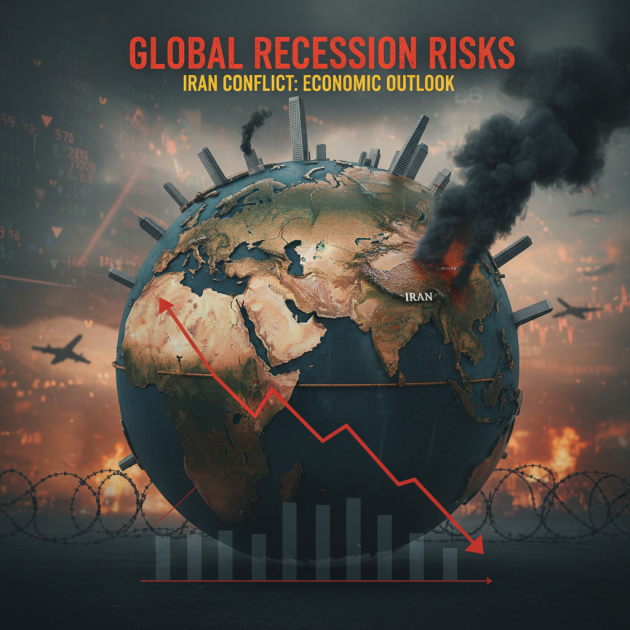

Understanding the Global Recession Risks
The recent Iran conflict has sent shockwaves through global markets, prompting economists and analysts to reassess the potential for a worldwide recession. As tensions rise, so do fears of economic instability that could have far-reaching effects on countries around the globe.
The Iran Conflict: A Catalyst for Economic Uncertainty
The ongoing conflict in Iran has not only geopolitical implications but also significant economic repercussions. With oil prices fluctuating and supply chains potentially disrupted, businesses and consumers alike are feeling the strain.
Oil Prices and Energy Markets
Iran is a key player in the global oil market, and any conflict involving this country can lead to dramatic price increases. Historically, conflicts in the Middle East have led to spikes in oil prices due to concerns about supply disruptions. For instance:
- Increased Prices: Oil prices have already seen a surge following reports of escalating tensions.
- Supply Chain Disruptions: A prolonged conflict may lead to sanctions or blockades, impacting global supply chains.
- Higher Inflation: Rising energy costs contribute to overall inflation, affecting consumer spending.
Impact on Global Trade
Trade routes through the Middle East are vital for global commerce. The Strait of Hormuz, for example, is a major chokepoint for oil shipments. Any disruption can have a cascading effect:
- Increased Shipping Costs: Uncertainty in the region can lead to higher insurance premiums for ships traversing risky waters.
- Delayed Deliveries: Conflict can cause significant delays in shipping schedules, impacting industries reliant on timely deliveries.
- Trade Agreements at Risk: Countries may reconsider trade partnerships in response to geopolitical shifts, further straining international relations.
Consumer Confidence and Economic Growth
As fears of conflict escalate, consumer confidence tends to wane. This is particularly concerning as consumer spending drives economic growth in many countries. Key factors include:
- Reduced Spending: Consumers may cut back on discretionary spending, opting to save in uncertain times.
- Investment Hesitancy: Businesses may delay investments or expansion plans, stunting growth.
- Job Market Implications: A decline in consumer spending can lead to layoffs and increased unemployment rates.
Global Economic Outlook: What Lies Ahead?
Given the current landscape, economists are divided on the outlook for the global economy:
- Pessimistic View: Some analysts predict a recession if the conflict escalates, leading to sustained high oil prices and reduced consumer spending.
- Optimistic View: Others believe that the conflict may be short-lived, and with effective diplomatic interventions, the global economy could stabilize.
- Mixed Signals: Many economies are showing signs of recovery post-pandemic, but geopolitical tensions could derail this momentum.
The Role of Governments and Central Banks
In light of these risks, governments and central banks play a critical role in mitigating the impact of a potential recession:
- Monetary Policy Adjustments: Central banks may need to adjust interest rates to counteract inflation while supporting growth.
- Fiscal Stimulus: Governments can introduce stimulus packages to boost consumer spending and support affected industries.
- International Cooperation: Countries must work together to ensure stability in oil markets and maintain open trade routes.
Conclusion
The risks of a global recession due to the Iran conflict are palpable. While the situation remains fluid, understanding the economic implications is essential for businesses and consumers alike. As we navigate these uncertain times, staying informed and proactive is key to weathering potential storms ahead.