
Understanding the Current Global Economy Crisis
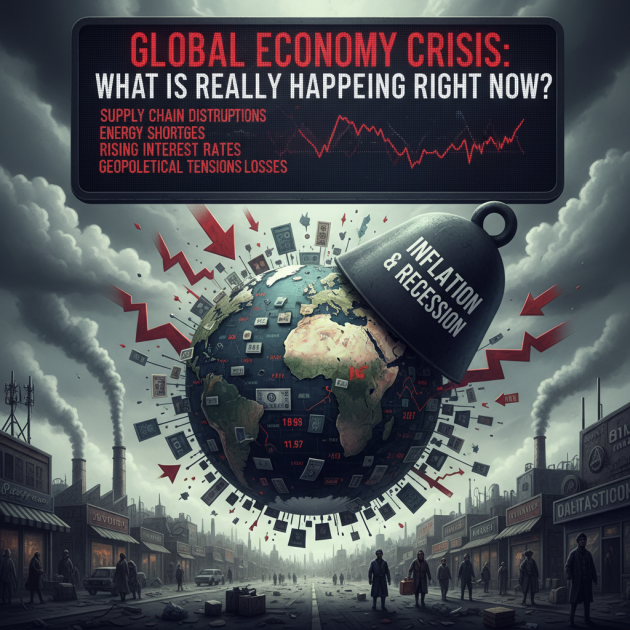
The global economy is currently facing a crisis that has left many wondering what is happening and how it affects their lives. From inflation to supply chain disruptions, various factors contribute to this tumultuous period. In this article, we will explore the roots of the crisis, its implications, and what we can expect moving forward.
What Are the Key Factors Behind the Crisis?
- Inflation: One of the most visible signs of the current economic turmoil is rising inflation. Prices for goods and services are increasing at an alarming rate, affecting consumer purchasing power.
- Supply Chain Disruptions: The COVID-19 pandemic exposed vulnerabilities in global supply chains. As demand surged and production slowed, many industries faced significant delays and shortages.
- Geopolitical Tensions: Ongoing conflicts and political instability in various regions have further complicated trade relations and economic stability.
- Energy Crisis: Rising energy prices, exacerbated by geopolitical tensions and climate change policies, have led to higher costs for both consumers and businesses.
- Labor Market Challenges: Many industries are struggling to find workers, leading to wage increases and further inflationary pressures.
The Impact on Consumers and Businesses
The ramifications of the global economy crisis are felt across all sectors. Consumers are facing higher prices at the grocery store, at the gas pump, and for everyday essentials. This has led to a decrease in disposable income, forcing many to reconsider their spending habits.
For businesses, the crisis presents a dual challenge: rising costs and declining consumer demand. Companies are forced to make difficult decisions, from raising prices to cutting back on production. Small businesses, in particular, are feeling the pinch, as they often lack the resources to absorb increased costs.
What Governments Are Doing
In response to the crisis, many governments are implementing measures aimed at stabilizing their economies. These can include:
- Monetary Policy Adjustments: Central banks are adjusting interest rates in an attempt to control inflation. However, these measures can have mixed results, potentially slowing down economic growth.
- Fiscal Stimulus Packages: Governments are introducing stimulus packages to support businesses and consumers, providing financial aid to those most affected by the crisis.
- Investment in Infrastructure: Some countries are focusing on long-term solutions by investing in infrastructure projects, aimed at creating jobs and stimulating economic growth.
Looking Ahead: What to Expect
As we move forward, the future of the global economy remains uncertain. Experts predict that inflation may persist in the short term, but there are signs that supply chain issues are gradually improving. However, geopolitical tensions and climate-related challenges could continue to pose risks.
Consumers and businesses alike must remain adaptable in these changing times. By staying informed and making strategic decisions, individuals can navigate the crisis more effectively, while businesses may need to innovate and rethink their operational strategies.
Conclusion
The global economy crisis is a complex situation influenced by a multitude of factors. Understanding these elements can empower consumers and businesses to make informed choices. By staying vigilant and adapting to changing circumstances, we can weather this storm together.