
Introduction
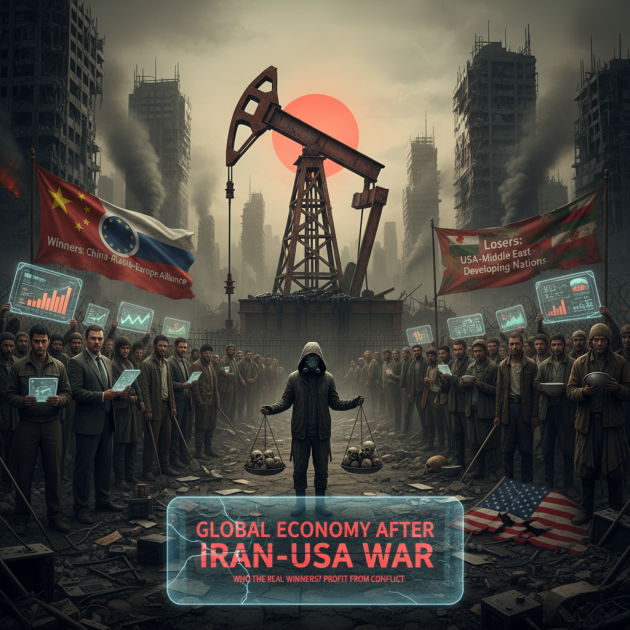
The conflict between the United States and Iran has sent shockwaves through international markets and economies. As nations navigate the aftermath of this war, a critical question arises: who truly benefits from this turmoil? In this article, we will analyze the economic repercussions of the Iran-USA conflict and identify the key players who may emerge victorious.
Immediate Economic Consequences
War often brings about immediate economic turmoil, and the Iran-USA conflict is no exception. The following factors illustrate the impact on the global economy:
- Oil Prices: Iran is a significant player in the global oil market. The conflict led to fluctuations in oil prices, affecting global supply and demand dynamics.
- Trade Disruptions: Increased sanctions and military actions have disrupted trade routes, particularly in the Middle East, leading to hesitancy among traders and investors.
- Investor Sentiment: Heightened geopolitical tensions often result in market volatility. Investors may seek safe-haven assets, impacting stock markets worldwide.
Countries Positioned to Benefit
While the conflict has its share of losers, certain countries and sectors might find opportunities amidst the chaos. Let’s explore who the potential winners could be:
1. Oil-Producing Nations
With Iran's oil exports severely affected, other oil-producing nations, such as Saudi Arabia and Russia, may step in to fill the gap. Higher oil prices benefit these countries, bolstering their economies. For instance:
- Saudi Arabia can increase its production to meet global demand, enhancing its revenue.
- Russia, already a significant player in the energy market, may strengthen its geopolitical influence by supplying energy to Europe and Asia.
2. Defense Contractors
The military-industrial complex often sees a surge in profits during times of conflict. Companies involved in defense contracting may experience increased demand for weapons and technology:
- Firms like Lockheed Martin and Raytheon could see substantial growth as governments ramp up military spending.
- Research and development in defense technology may receive a boost, paving the way for innovation.
3. Alternative Energy Sources
As traditional oil markets face disruptions, there may be an accelerated investment in alternative energy sources:
- Countries and companies focusing on renewable energy technologies could gain traction as nations look to reduce their dependence on oil.
- Investments in solar, wind, and other renewable sectors might rise, leading to technological advancements and economic growth.
4. Geopolitical Rivals
Other nations, particularly those in opposition to the USA, may find strategic advantages:
- China and Russia may strengthen their alliances with Iran, gaining access to resources and strategic locations.
- This shift could lead to a reconfiguration of global trade routes, benefiting nations willing to engage cooperatively with Iran.
Long-Term Implications
The long-term consequences of the Iran-USA war will shape the global economic landscape for years to come. Here are some potential outcomes:
- Reshaping Alliances: The conflict may lead to new geopolitical alliances, impacting trade and investment patterns globally.
- Investment in Security: Nations may prioritize military spending over social welfare, altering their economic focus.
- Market Adaptation: Businesses will need to adapt to changing market dynamics, potentially leading to the emergence of new players in various sectors.
Conclusion
The Iran-USA conflict serves as a stark reminder of how geopolitical events can reshape the global economy. While the immediate aftermath may seem bleak, certain countries and sectors stand to gain from the turmoil. Understanding these dynamics is crucial for investors, policymakers, and businesses as they navigate the complexities of a post-war economy.