
Introduction
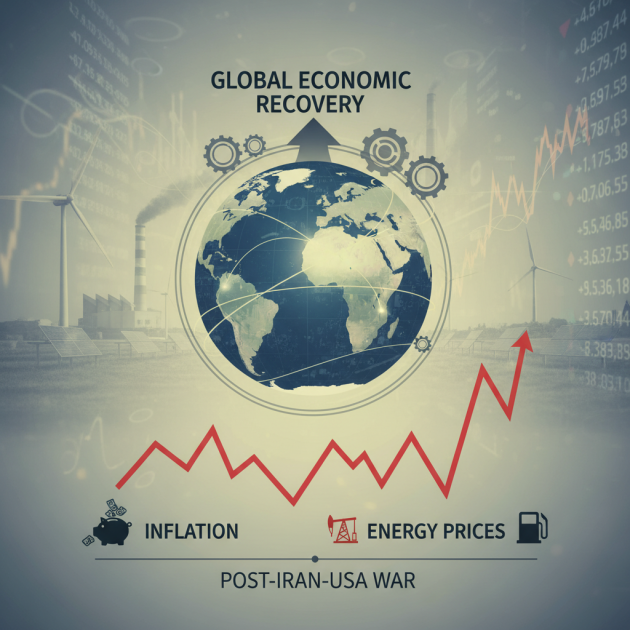
The conclusion of the Iran-USA war marks a pivotal moment in global affairs, ushering in a new phase of economic recovery. Countries across the globe are preparing to navigate the aftermath, which promises to reshape international markets, inflation rates, and energy prices significantly. In this article, we explore the anticipated outcomes of this recovery and its implications for inflation and energy costs.
The Economic Landscape Post-Conflict
The end of hostilities between Iran and the USA will likely lead to a more stable geopolitical landscape, encouraging foreign investments and trade relations. As nations rebuild and reassess their economic strategies, the following factors will play a crucial role:
- Increased Trade: Resumption of trade routes and partnerships will boost economic activity.
- Reconstruction Efforts: Countries will invest heavily in rebuilding infrastructure, leading to job creation.
- Return of Oil Exports: Iran's re-entry into the global oil market will impact supply chains significantly.
Inflation Trends in a Recovering Economy
Inflation is a critical aspect of economic recovery that policymakers will need to monitor closely. With increased demand for goods and services as countries recover, inflationary pressures may rise. Here’s how:
Demand-Pull Inflation
As economies rebound, consumer confidence will likely surge, leading to increased spending. This demand-pull inflation can create a scenario where prices rise due to heightened consumer activity.
Cost-Push Inflation
On the other hand, if the conflict has disrupted supply chains, the cost of raw materials could increase, contributing to cost-push inflation. This situation necessitates careful balancing by central banks to maintain economic stability.
Energy Prices: A New Paradigm
The energy sector will undergo considerable changes following the resolution of the conflict. The following factors will influence energy prices globally:
Iran's Oil Supply Restoration
Iran's ability to restore its oil production and exports will have a direct impact on global oil prices. As Iran floods the market with additional supply, prices may stabilize or even decrease temporarily, benefiting consumers and industries reliant on affordable energy.
Shifts in Geopolitical Alliances
As nations reevaluate their alliances and energy partnerships, new trade agreements may emerge, impacting energy prices. Countries may seek to diversify their energy sources, reducing dependency on any single supplier, which can lead to price fluctuations.
Renewable Energy Investments
With heightened awareness of climate change, the end of the conflict may spur investments in renewable energy sources. This shift could lead to a gradual decline in fossil fuel dependency, affecting long-term energy prices.
Global Economic Policies to Consider
Governments and financial institutions will need to implement policies that foster economic recovery while controlling inflation. Some strategies may include:
- Monetary Policy Adjustments: Central banks might need to tweak interest rates to manage inflation without hindering growth.
- Fiscal Stimulus: Increased government spending on infrastructure projects can stimulate economic activity.
- Regulatory Reforms: Simplifying regulations can encourage foreign investments and boost economic prospects.
Conclusion
The end of the Iran-USA war signifies a new chapter in global economic recovery. While inflation and energy prices will be key areas to monitor, the potential for renewed growth and stability presents a hopeful outlook for nations worldwide. As the world adjusts to these changes, collaboration and strategic planning will be essential to harness the benefits of this new era.