
Introduction
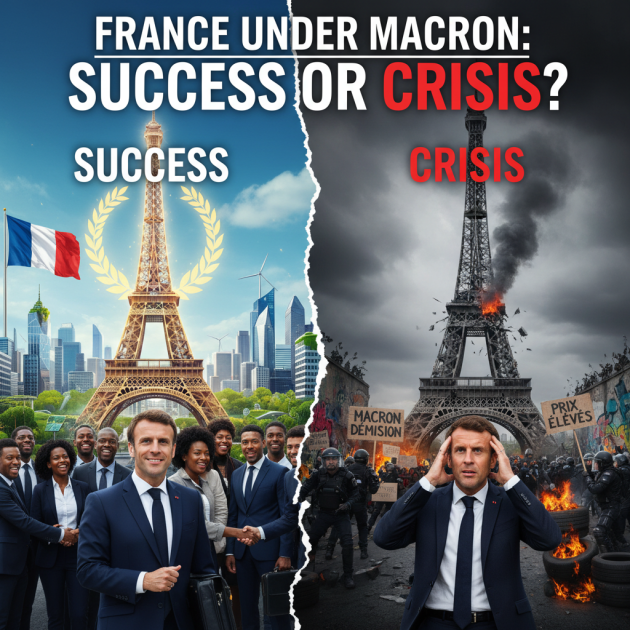
Emmanuel Macron's presidency has been a subject of intense debate since he took office in May 2017. With ambitious reforms and a vision for a stronger Europe, Macron has faced both praise and criticism. As we delve into his tenure, we explore whether France stands on the brink of success or crisis.
The Macron Agenda: A Vision for Change
Macron's presidency began with a promise to transform France. His agenda included:
- Labor Market Reforms: Aimed at reducing unemployment and increasing flexibility for businesses.
- Tax Reforms: Including a reduction in corporate tax rates to attract investment.
- Climate Initiatives: Commitment to the Paris Agreement and promoting green technologies.
- European Integration: Advocating for a stronger, more united Europe.
Labor Market Reforms
One of the cornerstones of Macron's agenda was the reform of the labor market. His government introduced measures to make hiring and firing easier, which was intended to encourage businesses to hire more workers. While these reforms have seen some success in reducing unemployment rates, they have also sparked protests from labor unions concerned about job security.
Tax Reforms
Macron's tax reforms aimed to stimulate the economy by reducing the tax burden on companies. Critics argue that these measures disproportionately benefit the wealthy, leading to increased inequality. Supporters, however, claim that they are necessary to foster economic growth and job creation.
Challenges: Protests and Public Discontent
Despite Macron's ambitious plans, his presidency has been marred by significant challenges. The most notable has been the widespread protests, particularly from the Yellow Vest movement, which began in late 2018. These protests, initially sparked by rising fuel taxes, evolved into a broader movement against perceived economic injustices.
Public Sentiment
The protests reflect a growing discontent among the French populace. Many citizens feel left behind by Macron's reforms, which they perceive as favoring the elite. This sentiment has led to a decline in his approval ratings, raising questions about his ability to govern effectively.
International Relations: A Balancing Act
Macron's approach to international relations has also been a point of contention. He has positioned France as a leader in the European Union, advocating for greater cooperation among member states. However, his attempts to balance relationships with both the U.S. and Russia have been met with skepticism.
Global Leadership
Macron's efforts to lead on global issues like climate change and security have garnered international attention. His strong stance on climate initiatives, particularly his criticism of the U.S. withdrawal from the Paris Agreement, has solidified his role as a global advocate for environmental issues.
Conclusion: A Path Forward?
As Macron's presidency continues, France finds itself at a crossroads. His ambitious reforms have yielded some positive outcomes, yet the challenges of public discontent and social unrest loom large. Whether Macron's vision will ultimately lead to success or crisis depends on his ability to address the concerns of the populace while maintaining his reform agenda. The coming years will be critical in determining the legacy of his presidency and the future of France.