
Introduction to Virtual Reality Tourism
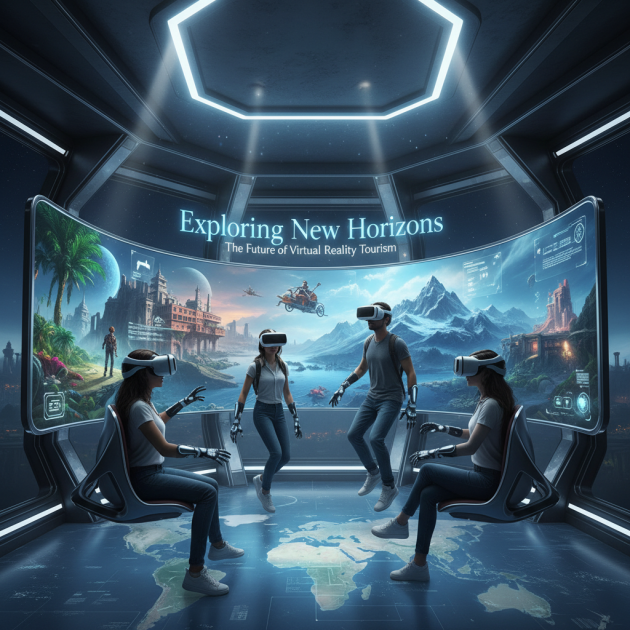
Virtual reality (VR) tourism is an exciting frontier that blends technology with travel, allowing users to experience destinations from the comfort of their homes. With advancements in VR technology, the way we perceive travel is transforming, offering immersive experiences that were once unimaginable.
The Rise of Virtual Reality in Travel
In recent years, the travel industry has witnessed a surge in the adoption of virtual reality. From stunning 360-degree videos of famous landmarks to fully immersive simulations of exotic locations, VR is making it possible to explore the world without the constraints of time and budget.
Benefits of Virtual Reality Tourism
- Accessibility: VR tourism opens doors for those who may be unable to travel due to health, financial, or mobility issues. It provides a way to experience new cultures and environments without leaving home.
- Cost-Effective: Traveling can be expensive. Virtual reality allows users to explore multiple destinations at a fraction of the cost, eliminating airfare, accommodation, and other travel expenses.
- Previewing Destinations: VR experiences can serve as a preview for potential travelers. By exploring a location virtually, users can decide if it’s worth visiting in real life.
- Education and Training: Educational institutions and travel agencies are using VR to provide training and enhance knowledge about different cultures and places, enriching the travel experience.
Technological Innovations Driving VR Tourism
The future of virtual reality tourism is closely tied to technological innovations. Key advancements that are shaping the industry include:
- Improved Headsets: Modern VR headsets offer higher resolution displays, better field of view, and enhanced comfort, providing users with a more immersive experience.
- Augmented Reality (AR): The merging of AR with VR creates hybrid experiences, allowing users to interact with their physical environment while exploring a virtual world.
- AI Integration: Artificial intelligence is being used to personalize VR travel experiences, offering recommendations based on user preferences and past behavior.
- Social VR Experiences: As technology advances, VR tourism is evolving to include social components, allowing users to explore destinations with friends or family, even if they are miles apart.
The Future of Virtual Reality Tourism
As we look to the future, virtual reality tourism is poised for significant growth. Here are some trends that are expected to shape its evolution:
- Corporate Travel: Businesses are beginning to utilize VR for corporate travel purposes, allowing employees to virtually visit potential locations for meetings and conferences.
- Environmental Considerations: As awareness of climate change grows, VR tourism offers an eco-friendly alternative to traditional travel, reducing carbon footprints while still satisfying wanderlust.
- Enhanced User Experiences: With ongoing improvements in technology, the quality of VR experiences will continue to improve, making them more realistic and engaging.
- Integration with Travel Packages: Travel agencies may offer VR experiences as part of their packages, allowing customers to preview and choose their destinations before booking.
Conclusion
Virtual reality tourism is not just a trend; it’s a revolutionary approach to experiencing the world. As technology continues to advance, the possibilities for virtual exploration will expand, making travel more accessible and affordable. Embracing this innovative medium will change how we view travel forever.