
Introduction
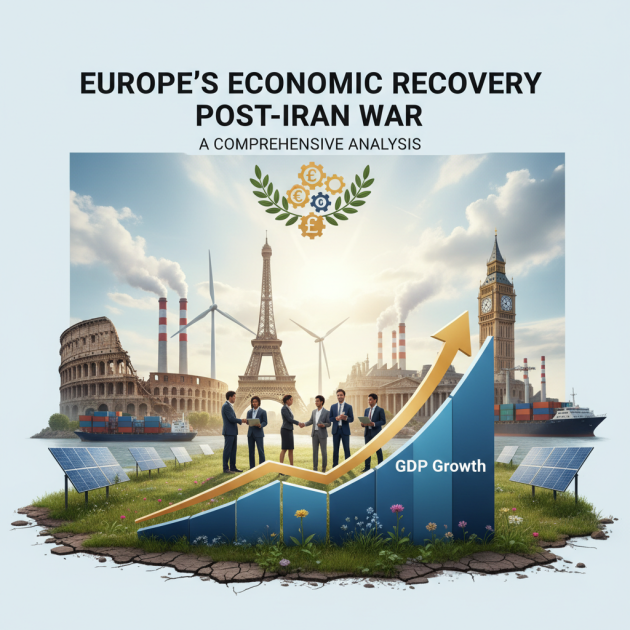
The recent Iran war sparked an energy crisis that sent shockwaves through Europe, a continent heavily reliant on energy imports. As nations grappled with supply shortages and skyrocketing prices, the focus has shifted to recovery and strategies for future resilience. This article delves into the economic recovery of Europe post-crisis, examining government initiatives, market adjustments, and the broader implications for the continent's energy landscape.
Impact of the Energy Crisis on Europe's Economy
The energy crisis exacerbated existing vulnerabilities within Europe’s economy. Key sectors such as manufacturing, transport, and household energy consumption faced unprecedented challenges. The following points encapsulate the crisis's impact:
- Inflation Surge: The spike in energy prices led to rampant inflation, reaching levels unseen in decades. Consumers felt the pinch as heating and electricity bills soared.
- Manufacturing Slowdown: High energy costs forced many factories to reduce output or temporarily close, leading to job losses and diminished productivity.
- Supply Chain Disruptions: The crisis disrupted supply chains, particularly in industries dependent on consistent energy supply, such as automotive and chemicals.
Government Response and Recovery Initiatives
In response to the energy crisis, European governments implemented a range of recovery initiatives aimed at stabilizing the economy and securing energy supply. These measures included:
- Investment in Renewable Energy: Governments accelerated investment in renewable energy sources such as wind, solar, and hydropower. This shift aims to reduce dependence on imported fossil fuels and enhance energy security.
- Energy Efficiency Programs: Initiatives encouraging energy efficiency in homes and businesses were rolled out, including subsidies for energy-efficient appliances and retrofitting buildings.
- Strategic Energy Reserves: Countries established strategic reserves of natural gas and oil to cushion against future supply shocks, ensuring a more stable energy supply.
Market Adjustments and Adaptations
As Europe embarked on its recovery journey, the energy market witnessed significant adjustments. Here are notable trends:
- Diversification of Energy Sources: European nations are diversifying their energy sources, seeking new partnerships with countries in Africa, the Middle East, and the Americas to reduce reliance on any single supplier.
- Emergence of Energy Cooperatives: Local energy cooperatives have gained popularity, allowing communities to generate and manage their energy resources, fostering resilience and self-sufficiency.
- Technological Innovation: The crisis spurred innovation in energy technology, including advancements in battery storage, smart grids, and carbon capture, positioning Europe as a leader in the green technology sector.
Long-term Economic Implications
While the immediate effects of the energy crisis are gradually abating, long-term implications for Europe's economy are becoming evident:
- Shift Towards Green Economy: The push for renewable energy will likely accelerate the transition to a green economy, creating new jobs and industries while addressing climate change.
- Increased Energy Independence: By investing in domestic energy production and renewables, Europe aims to achieve greater energy independence, reducing vulnerability to geopolitical tensions.
- Resilience Building: The crisis has highlighted the need for resilient infrastructure and policies, prompting discussions on sustainable economic practices and crisis preparedness.
Conclusion
Europe's recovery from the energy crisis instigated by the Iran war is a complex yet crucial process. Through government initiatives, market adaptations, and a commitment to renewable energy, Europe is not only recovering but also paving the way for a more sustainable and resilient economic future. As the continent learns from this crisis, it positions itself for greater stability amidst global uncertainties.