
Understanding the Shifts in Europe
In recent years, Europe has experienced a wave of changes that are reshaping its political, economic, and social landscape. From the rise of populism to climate activism and the ongoing effects of the COVID-19 pandemic, various factors are influencing Europe’s trajectory. This article delves into the core reasons behind these changes and their potential implications.
1. The Rise of Populism
The political landscape in Europe has been significantly altered by the rise of populist movements. Parties that promote nationalist sentiments and criticize traditional political structures have gained traction in many countries.
- Impact of Economic Disparities: Economic challenges, including unemployment and income inequality, have fueled discontent among the populace. Populist leaders have capitalized on this sentiment, promising to prioritize the needs of their citizens over globalist agendas.
- Immigration Debates: The debate over immigration has also been central to the rise of populism. Many citizens feel threatened by the influx of migrants, prompting calls for stricter border controls and policies that favor local populations.
2. Climate Change and Environmental Policies
With climate change becoming an undeniable reality, Europe is at the forefront of environmental activism. The European Union has set ambitious goals to reduce carbon emissions and transition to sustainable energy sources.
- Green Deal: The European Green Deal aims to make Europe the first climate-neutral continent by 2050. This initiative is reshaping industries and job markets, pushing for innovation in renewable energy and sustainable practices.
- Public Sentiment: Increasing public concern over climate-related issues has led to widespread support for green policies. Younger generations, in particular, are advocating for urgent action against climate change, influencing political agendas.
3. Economic Recovery Post-Pandemic
The COVID-19 pandemic has had a profound impact on Europe, leading to economic downturns and necessitating recovery strategies. Governments are now focusing on rebuilding their economies with a renewed emphasis on resilience and sustainability.
- Investment in Technology: The pandemic has accelerated the digital transformation across various sectors. Investments in technology and digital infrastructure are seen as vital for future economic stability.
- Support for Small Businesses: Many European governments have introduced support packages aimed at helping small businesses recover. This focus is crucial for job creation and maintaining local economies.
4. Geopolitical Shifts
Europe's geopolitical landscape is also evolving, with changing alliances and global dynamics. The war in Ukraine has highlighted the need for a unified response to external threats and has implications for energy security.
- Energy Independence: Europe's reliance on external energy sources, particularly from Russia, has prompted a shift towards energy independence. Countries are investing in alternative energy sources and diversifying their energy suppliers.
- Strengthening NATO: The conflict has reinforced the importance of NATO, with European nations working together to enhance their defense capabilities and security cooperation.
5. Social Changes and Demographic Trends
Europe's demographic landscape is shifting, with aging populations and an influx of migrants contributing to social changes. These trends present both challenges and opportunities for European societies.
- Aging Population: As the population ages, there is an increasing demand for healthcare services and social support systems. This demographic shift will test the sustainability of welfare states across Europe.
- Diversity and Inclusion: The influx of migrants has led to more diverse societies, prompting discussions around inclusion and cultural integration. This diversity can be a strength, fostering creativity and innovation.
Conclusion
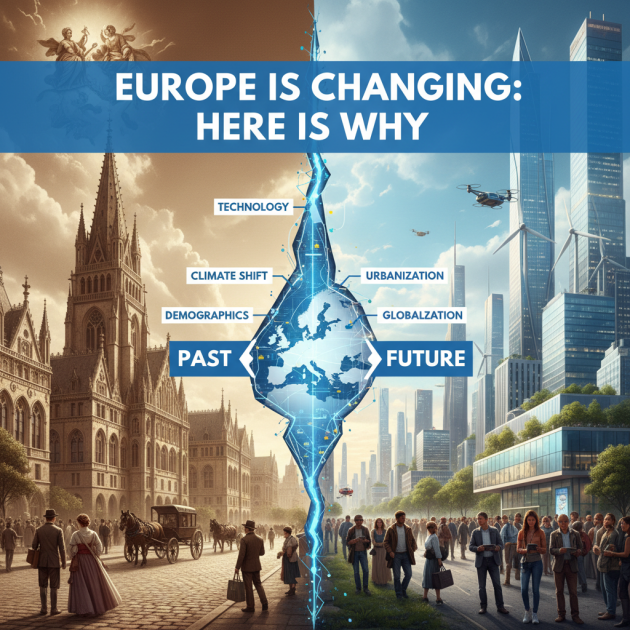
Europe is undoubtedly changing, driven by a combination of political, environmental, economic, geopolitical, and social factors. As these transformations unfold, the continent will need to navigate challenges while seizing opportunities for a sustainable and inclusive future. Understanding these dynamics is crucial for policymakers and citizens alike as they work towards shaping the Europe of tomorrow.