
A New Era of Daily Life in Europe
As we step into 2026, daily life in Europe is undergoing a profound transformation, fueled by advances in technology, the normalization of remote work, and changing social habits. From bustling city streets to serene countryside, the impact of these shifts is evident in both the personal and professional realms of life.
The Rise of Remote Work
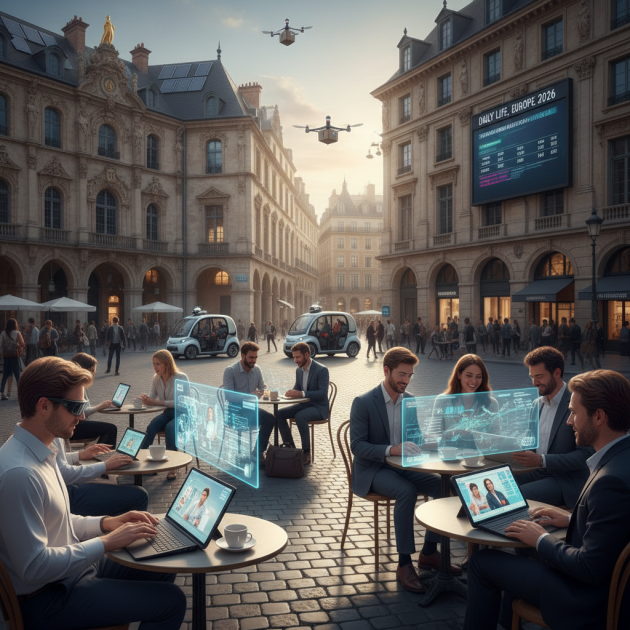
The COVID-19 pandemic accelerated the acceptance of remote work across Europe, and by 2026, it has become a standard practice for many industries. Employees enjoy the flexibility of working from home or co-working spaces, leading to a better work-life balance.
- Flexible Hours: Many companies now offer flexible working hours, allowing employees to tailor their schedules according to their productivity peaks.
- Global Talent Pool: Employers are no longer limited to local talent; they can hire skilled professionals from across the globe, enriching workplace diversity.
- Reduced Commute: With fewer people commuting to traditional offices, urban traffic congestion has decreased significantly, improving air quality and reducing stress.
Technological Integration in Daily Life
Technology continues to infiltrate various aspects of daily life, making everyday tasks more efficient and convenient. Smart devices, AI assistants, and digital platforms are seamlessly integrated into the European lifestyle.
- Smart Homes: The adoption of smart home technology allows individuals to control lighting, heating, and security systems from their devices, enhancing comfort and energy efficiency.
- Health and Wellness Apps: Fitness and mental health apps are now commonplace, helping individuals track their health, engage in virtual workouts, and access therapy services online.
- Virtual Reality Social Spaces: VR technology has created immersive social platforms where friends can meet, attend events, or even work collaboratively in virtual environments.
Changing Social Habits
As remote work and technology alter the way people interact, social habits are evolving as well. The dynamics of friendships, networking, and community engagement are being redefined.
- Digital Communities: Online communities have become vital for social interaction, with people forming connections based on interests rather than proximity.
- Hybrid Events: Social gatherings now often blend in-person and virtual elements, allowing broader participation and inclusivity.
- Mindful Socialization: Many individuals prioritize quality over quantity in their social interactions, focusing on deeper relationships that foster support and understanding.
Environmental Consciousness and Sustainable Living
With increasing awareness of climate change, Europeans are actively seeking sustainable lifestyle choices. This shift is reflected in various aspects of daily life:
- Eco-Friendly Transportation: The use of electric vehicles, e-bikes, and public transport options are on the rise, contributing to greener cities.
- Localized Consumption: Many people are choosing to shop locally, supporting small businesses and reducing their carbon footprint by decreasing the distance food and goods travel.
- Minimalism and Decluttering: A focus on minimalism encourages individuals to prioritize experiences over possessions, leading to a more intentional lifestyle.
Conclusion
In 2026, daily life in Europe exemplifies a blend of technology, remote work, and evolving social habits. As individuals adapt to these changes, they are creating a more balanced, sustainable, and connected way of living, paving the way for a future that prioritizes both personal fulfillment and community engagement.