
Introduction
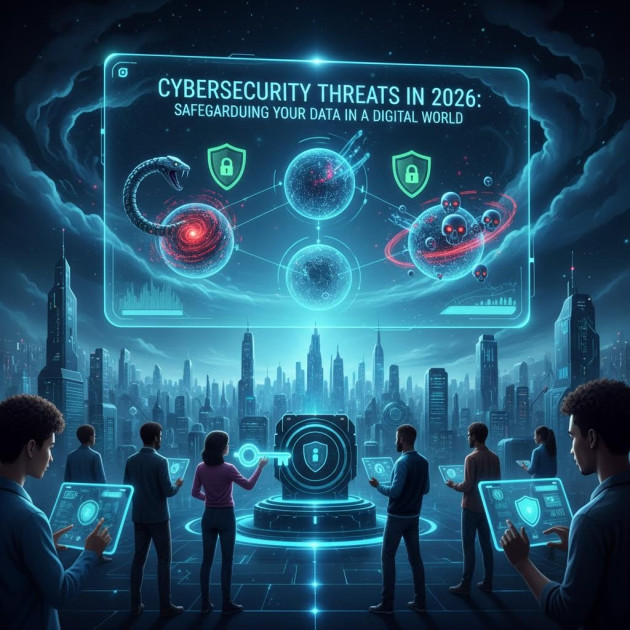
The year 2026 has arrived, bringing with it a host of new challenges in the realm of cybersecurity. With the rapid advancement of technology, cybercriminals are adopting more sophisticated methods to exploit vulnerabilities. In this article, we will delve into the most pressing cybersecurity threats of 2026 and provide users with actionable steps to safeguard their personal data.
Emerging Cybersecurity Threats in 2026
As we analyze the current landscape, several key threats are becoming increasingly prevalent:
- Advanced Ransomware: Ransomware attacks have become more targeted, often involving sophisticated social engineering tactics to deceive victims into paying hefty ransoms.
- AI-Powered Attacks: Cybercriminals are harnessing artificial intelligence to automate attacks and evade traditional security measures, making detection increasingly difficult.
- Internet of Things (IoT) Vulnerabilities: With the proliferation of IoT devices, hackers are exploiting weak security protocols in smart devices, creating entry points for larger attacks.
- Deepfake Technology: Deepfakes are being used for identity theft and misinformation campaigns, making it harder to discern truth from deception.
- Supply Chain Attacks: Cybercriminals are targeting third-party vendors and suppliers to infiltrate larger organizations, leading to widespread data breaches.
How Users Can Protect Their Data
In light of these evolving threats, users must take proactive measures to protect their data. Here are some essential strategies:
1. Use Strong, Unique Passwords
Employing complex passwords is the first line of defense against unauthorized access. Ensure that passwords are:
- At least 12 characters long
- A mix of uppercase, lowercase, numbers, and special characters
- Unique for each account
Consider using a password manager to securely store and generate passwords.
2. Enable Two-Factor Authentication (2FA)
Two-factor authentication adds an extra layer of security. By requiring a second form of verification (like a text message or authenticator app), it significantly reduces the risk of unauthorized access.
3. Regularly Update Software and Devices
Keeping software and devices updated is crucial in defending against vulnerabilities. Ensure that:
- Operating systems, applications, and antivirus software are regularly updated
- IoT devices have the latest firmware installed
Set up automatic updates wherever possible to simplify this process.
4. Be Wary of Phishing Attempts
Phishing scams are becoming increasingly sophisticated. Always verify the sender's identity before clicking on links or downloading attachments. Look for:
- Unusual email addresses or domains
- Spelling and grammatical errors
- Urgent language that pressures you to act quickly
5. Use a VPN on Public Wi-Fi
Public Wi-Fi networks are often unsecured, making your data vulnerable to interception. A Virtual Private Network (VPN) encrypts your internet connection, providing an additional layer of security when accessing sensitive information.
6. Backup Your Data Regularly
Regular backups can save you from losing important data in case of a ransomware attack. Utilize cloud storage solutions alongside physical backups to ensure your data is secure and recoverable.
7. Educate Yourself on Cybersecurity
Staying informed about the latest cybersecurity trends and threats can empower you to make better decisions. Consider attending workshops, webinars, or taking online courses focused on cybersecurity awareness.
Conclusion
As we navigate the complexities of 2026, staying vigilant against cybersecurity threats is more important than ever. By implementing these protective measures, users can significantly reduce their risk of falling victim to cybercriminals and keep their data secure in an increasingly digital world.