
Introduction
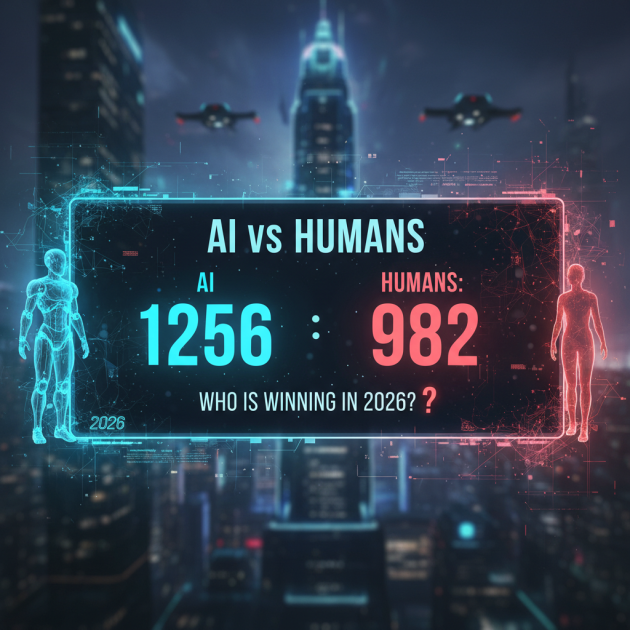
In the fast-paced world of technology, the battle between artificial intelligence (AI) and human intelligence has become a hot topic. As we progress into 2026, it’s essential to evaluate the current state of AI and its implications for humanity. Are we witnessing a shift in power, or is AI merely a tool in human hands? This article delves into the advancements, challenges, and ethical considerations surrounding AI as it stands against human capabilities.
The Rise of AI
Over the past few years, AI has seen unprecedented growth. With advancements in machine learning, natural language processing, and robotics, AI systems are now capable of performing tasks that were once considered exclusive to humans. From self-driving cars to virtual assistants, AI has infiltrated nearly every aspect of daily life.
Key Developments in AI
- Healthcare: AI algorithms are now diagnosing diseases with higher accuracy than some medical professionals, revolutionizing patient care.
- Finance: Automated trading systems analyze market trends and execute trades at lightning speed, often outperforming human traders.
- Creative Arts: AI-generated art, music, and literature are gaining recognition, challenging traditional notions of creativity.
Human Resilience and Adaptability
While AI continues to advance, humans possess unique qualities that machines cannot replicate. Emotional intelligence, creativity, and critical thinking are areas where humans excel. As technology evolves, so too does the need for human skills that complement AI capabilities.
The Human Touch
In professions requiring empathy, such as nursing or therapy, the human touch remains irreplaceable. AI may assist in diagnostics, but the emotional connection and understanding provided by a human caregiver are vital in these fields.
The Competition: Who is Winning?
As we analyze the competition between AI and humans in 2026, it's essential to consider various dimensions:
Efficiency and Speed
AI systems can process vast amounts of data and perform calculations in fractions of a second, making them faster and more efficient than humans in many tasks. However, this speed comes with limitations, particularly in terms of nuanced decision-making.
Creativity and Innovation
While AI can generate creative works, it often lacks the ability to innovate in ways that humans can. The human mind draws from personal experiences, emotions, and cultural contexts, allowing for a depth of creativity that AI has yet to achieve.
Ethical Considerations
As AI technology continues to evolve, ethical concerns grow. Issues such as job displacement, privacy, and bias in AI algorithms demand attention. The question arises: how do we ensure that AI serves humanity and not the other way around?
Job Displacement
The rise of AI has led to fears of job loss in various industries. While some jobs may become obsolete, new roles are also emerging, emphasizing the importance of reskilling the workforce.
Bias and Fairness
AI systems are only as unbiased as the data they are trained on. Addressing bias in AI is crucial to ensure fair outcomes, especially in sensitive areas like hiring and law enforcement.
The Future: Collaboration Over Competition
Rather than viewing AI and humans as competitors, the future may lie in collaboration. AI can enhance human capabilities, allowing us to focus on higher-level tasks that require emotional intelligence and critical thinking.
Education and Training
Emphasizing AI literacy and critical thinking in education will prepare future generations to thrive in a world where AI is prevalent. Understanding AI's strengths and limitations will enable humans to leverage technology effectively.
Conclusion
As we stand in 2026, the competition between AI and humans is complex. While AI excels in efficiency and data processing, humans retain distinct advantages in creativity, empathy, and ethical decision-making. The key to success lies not in determining a winner, but in fostering a collaborative relationship that enhances both AI and human potential.