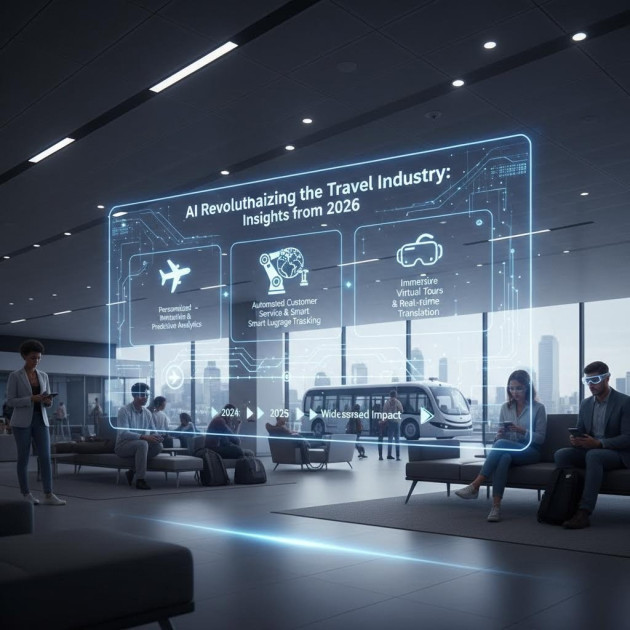

The Rise of AI in Travel: A 2026 Perspective
As we step into 2026, the travel industry is witnessing a remarkable transformation driven by artificial intelligence (AI). From personalized travel recommendations to automated customer service, AI is reshaping how we explore the world. In this article, we delve into the various ways AI is revolutionizing the travel landscape.
Personalized Travel Experiences
One of the most significant impacts of AI in travel is the ability to offer personalized experiences. AI algorithms analyze vast amounts of data, including past travel behaviors, preferences, and social media interactions, to curate tailored travel suggestions.
- Smart Recommendations: AI-powered platforms now provide customized itineraries, suggesting destinations, accommodations, and activities that align with individual preferences.
- Dynamic Pricing: Airlines and hotels utilize AI to adjust pricing based on demand in real-time, ensuring travelers always receive the best deals.
Enhanced Customer Service
With the rise of AI chatbots and virtual assistants, customer service in the travel industry has reached new heights. These AI tools can handle inquiries 24/7, providing instant responses and support.
- Instant Assistance: Travelers can now receive immediate assistance for booking changes, cancellations, or any other queries without waiting for human representatives.
- Language Translation: AI language translation tools break down communication barriers, allowing travelers to interact effortlessly in foreign countries.
Streamlined Operations
AI is not just enhancing customer experiences; it's also streamlining operations within the travel industry. From logistics to resource management, AI technologies are optimizing various processes.
- Flight and Hotel Management: AI systems forecast demand, allowing airlines and hotels to manage resources efficiently, reducing costs and improving service delivery.
- Predictive Analytics: Travel companies leverage AI-driven analytics to anticipate travel trends and adjust offerings accordingly, ensuring they stay ahead of the competition.
Improved Safety and Security
In a world where safety is paramount, AI is playing a crucial role in enhancing security measures for travelers.
- Facial Recognition: Airports and hotels are increasingly using AI-driven facial recognition technology to streamline check-ins and enhance security protocols.
- Threat Detection: AI algorithms analyze patterns to identify potential security threats, ensuring a safer travel environment.
Sustainable Travel Solutions
As sustainability becomes a priority, AI is helping the travel industry adopt eco-friendly practices. AI systems can analyze travel patterns and suggest greener alternatives to minimize carbon footprints.
- Efficient Resource Management: AI tools enable companies to optimize energy consumption in hotels and transportation, contributing to a more sustainable travel ecosystem.
- Carbon Offset Programs: Some AI platforms now offer travelers the option to contribute to carbon offset initiatives directly when booking their trips.
Conclusion
As we navigate the travel landscape in 2026, it is clear that AI is not just a trend; it is a game-changer that is reshaping the industry in profound ways. From personalized experiences to enhanced operational efficiency, AI is making travel easier, safer, and more enjoyable for everyone. The future of travel is here, and it is powered by artificial intelligence.